

People
Health & well-being
Introduction
Our approach extends beyond compliance. We aim to maintain working environments that support both physical safety and overall well-being, recognising that strong performance in these areas underpins sustainable business operations.
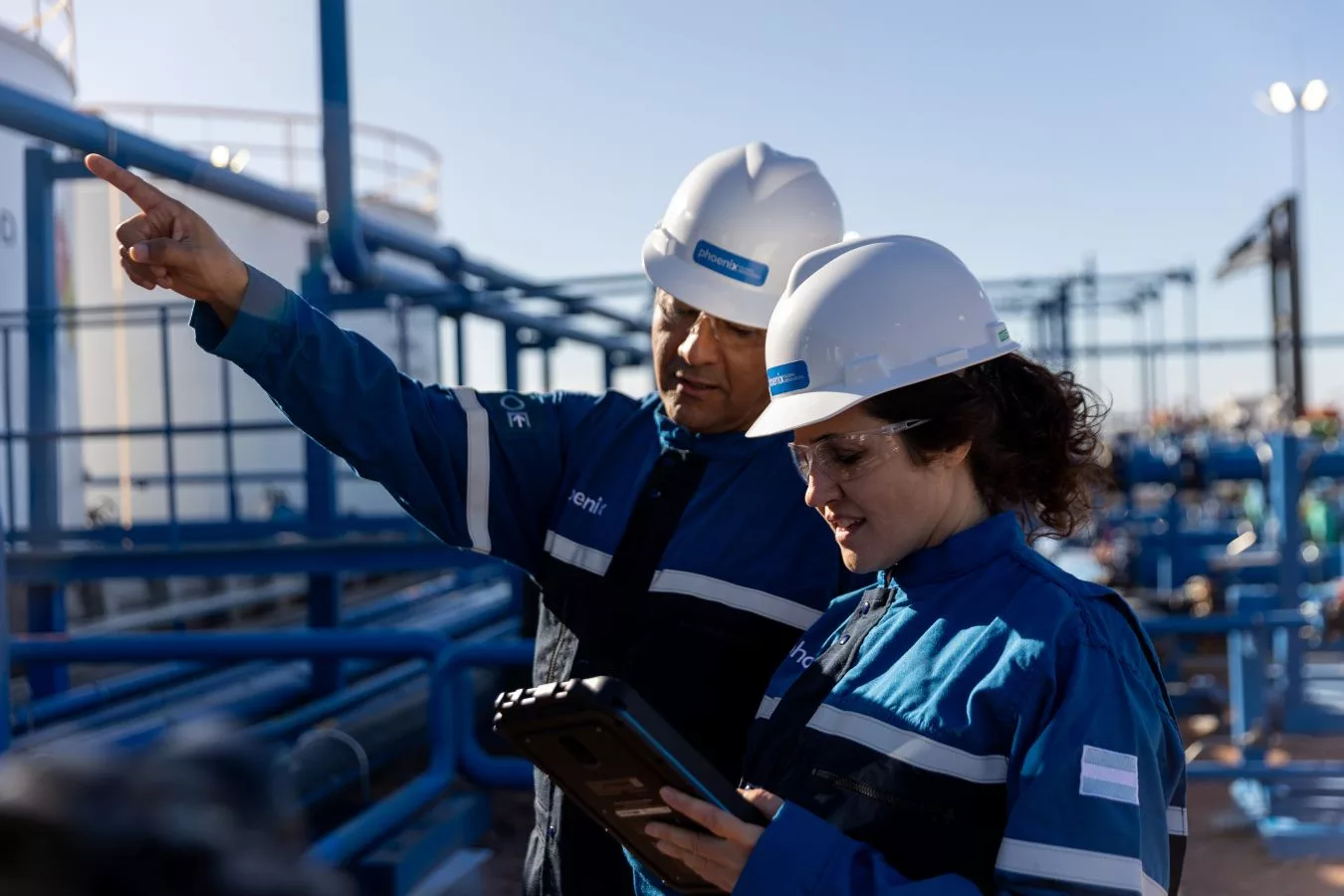
Mercuria adheres to all applicable laws and regulations and manages its activities in line with industry best practices for Health, Safety, Security and Environmental (HSSE) performance.
We work with business partners who share our commitment to responsible practices and the effective management of HSSE risks. Our due diligence and assessment processes extend across the infrastructure we rely on, including transportation and storage, ensuring that operations are conducted safely and in accordance with our standards.
HSSE principles
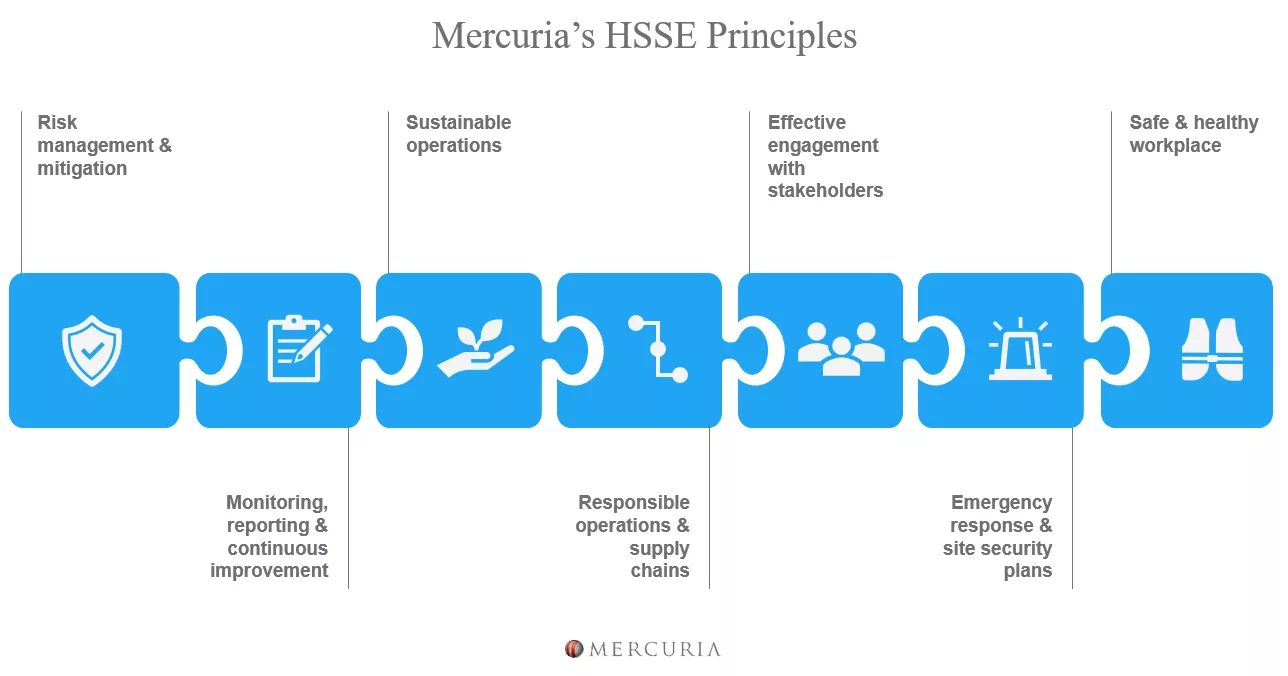
Mercuria holds its Health, Safety, Security and Environmental (HSSE) principles as fundamental to the Group’s business activities. These principles are expected of all our employees and partners and include:
- Providing a safe and healthy workplace for employees, contractors and the public.
- Ensuring strict compliance with all applicable laws, regulations and standards.
- Maintaining high standards for health, safety and environmental responsibility throughout our operations and business activities.
- Supporting the development and well-being of local communities in the areas where we operate.
- Collecting and using performance metrics to drive continuous improvement in our practices.
- Regularly measuring, recording and reviewing HSSE performance to inform ongoing initiatives and strengthen oversight.
- Pursuing continuous improvement and sustainability through the application of best practices, strategic updates, facility enhancements and other measures that mitigate, reduce or eliminate adverse impacts.
We communicate these principles internally to all employees, externally to contractors during onboarding and contracting processes, and through the management teams overseeing operations across our assets and investments.
Mercuria has dedicated HSSE teams embedded at every level of the organisation—from Group leadership to operational personnel at our businesses and assets—helping to ensure these principles are consistently understood, applied and reinforced in practice.
Health, safety & Security reporting
In our reporting of incidents, we address events involving not only our direct employees but also individuals within our assets and those working on behalf of Mercuria as contractors. We note that this broader scope of reporting extends beyond the demographic data presented elsewhere in our CSR report, which focuses exclusively on our direct employees. While incidents involving contractors from partner organisations and service providers working under Mercuria’s auspices are included in our reporting metrics, we do not report on incidents that occur within independent partner operations or activities outside Mercuria’s operational control or oversight.
Mercuria continues to improve its systems for capturing and managing information about incidents connected to the organisation’s operations. To support this process, we have implemented a centralised system that ensures immediate and concurrent notification to multiple Group functional leads. This mechanism facilitates transparent information sharing across departments and strengthens our ability to respond effectively and in a coordinated way.
The centralised incident management system not only tracks incidents reported through regular management channels, but also extends to reports raised through our Speak Up processes and broader whistleblowing framework, including those received via our corporate compliance hotline. This ensures that concerns raised by employees, contractors or external stakeholders are captured, reviewed and addressed in a consistent and timely manner.
Emergency response plans
Emergency Response Plans (ERPs) are in place across all of our operating businesses to provide systematic, pre-planned courses of action for responding to a variety of foreseeable emergency situations.
These plans prioritise safety and the protection of life, followed by measures to safeguard the environment, physical assets and security. Once initial efforts to manage and stabilise an emergency situation are complete, the ERPs also include provisions for continuing operations and restoring normal activities. As such, the ERPs are integrated with Business Continuity Plans (BCPs), ensuring a seamless transition from immediate emergency response to organised recovery and resumption of operations.
While all ERPs and BCPs are based on Mercuria’s core values and principles, each plan is tailored to reflect the unique operational characteristics of individual businesses and the regulatory requirements of the jurisdictions in which they operate. Mercuria continuously reviews and refines these plans to ensure their robustness, with particular focus on effective communication and clearly defined roles and responsibilities for real-time response. This process also includes consideration of emerging risks as they are identified.
As part of routine drills and exercises—and following any actual emergency response—Mercuria’s teams conduct thorough reviews and critiques of these plans. These assessments are intended to identify opportunities for improvement and strengthen both preparedness and incident management capability.
Specialized HSSE training
HSSE is a core element of the training provided across all our assets. While the training topics are broadly similar across our businesses, they are tailored to reflect the hazards specific to each operation, including, for example, storage of flammable materials or marine operational risks.
General safety topics included in HSE training for our physical operations include:
- Basic safety, emergency response plans and site security
- Personal protective equipment (PPE) selection and use
- Respiratory protection
- Lockout-Tagout (LOTO) for the control of hazardous energy
- Noise exposure
- Environmental exposure to heat and cold
- Fall protection, walking surfaces and safe working areas
- Working around excavations, confined spaces and other restricted areas
- Hazard communication and hazardous or toxic chemicals in the workplace
- Accident, injury and illness reporting and recordkeeping
- Near-miss and unsafe condition reporting
- Machine guarding, grounding and bonding
- Requirements for safe work planning and permitting, including hot and cold work
- Job hazard analysis
Within our office environments, we are working to provide similarly appropriate training and resources. This includes:
- Offering training and maintaining equipment to support basic first aid and CPR, including the general management of bleeding, breathing or choking issues, and other medical emergencies before professional responders arrive
- Providing training on workplace behaviour, security and threat management, including issues such as inappropriate behaviour or harassment, as well as crisis events such as extreme weather, fire, flooding, hostile persons or other serious threats
For all employees and contractors, Mercuria requires that individuals are properly informed and have received adequate training for their duties before being permitted to conduct work independently. This training is provided upon hiring, repeated at periodic intervals as refresher training or where otherwise needed, and delivered again when job roles change before an individual assumes new responsibilities.
Continue reading