

Prosperity
Technology & innovation
Introduction
At Mercuria, technology and innovation are central to how we operate and how global commodity markets continue to evolve. As supply chains become more complex and interconnected, the ability to manage information, execute transactions efficiently and integrate physical and financial flows is increasingly critical.
We see technology as a key enabler of this transformation. By combining digital infrastructure, data and market expertise, we aim to improve how commodities are sourced, transported, financed and delivered—supporting more efficient, transparent and resilient systems across the energy and commodities sectors.

OPERATIONAL PLATFORMS
Mercuria develops and deploys execution platforms that digitise and integrate these processes, providing real-time visibility and control across logistics, delivery and transaction management. By combining hardware, software and data, these systems enable more efficient coordination between parties and reduce reliance on manual workflows.
These capabilities improve operational performance, strengthen risk management and enhance transparency across the delivery of physical commodities, supporting more reliable and efficient supply chains.
Advanced Delivery Platform
Mercuria has been at the forefront of the development of the Advanced Delivery Platform (ADP), an innovative solution comprised of integrated hardware and software that provides a completely transparent and efficient bunker delivery service, reducing cost and risk for Minerva’s bunkering customers.
As digitization continues to drive consolidation in the bunker industry, the ADP will help navigate the secular trends and energy transition.

Customers using the ADP benefit from visibility into all details of their bunkering operations including quality of fuel delivered, operational timelines, and quantity received as per mass flow meter profiles – all in real-time and viewed from anywhere via the customer portal. Additional benefits include:
- Integration with client invoicing and business intelligence software
- Inquiry through fixture over the platform
- Custom client reporting
- Digital reporting for port and customs in real-time: operations, volume delivered, location, customers, fuel grade, duration of operation, etc.
- Facilitation of port dues invoicing and eliminates paper documents
- Matching each ton of duty-free imports with sales

ADP hardware
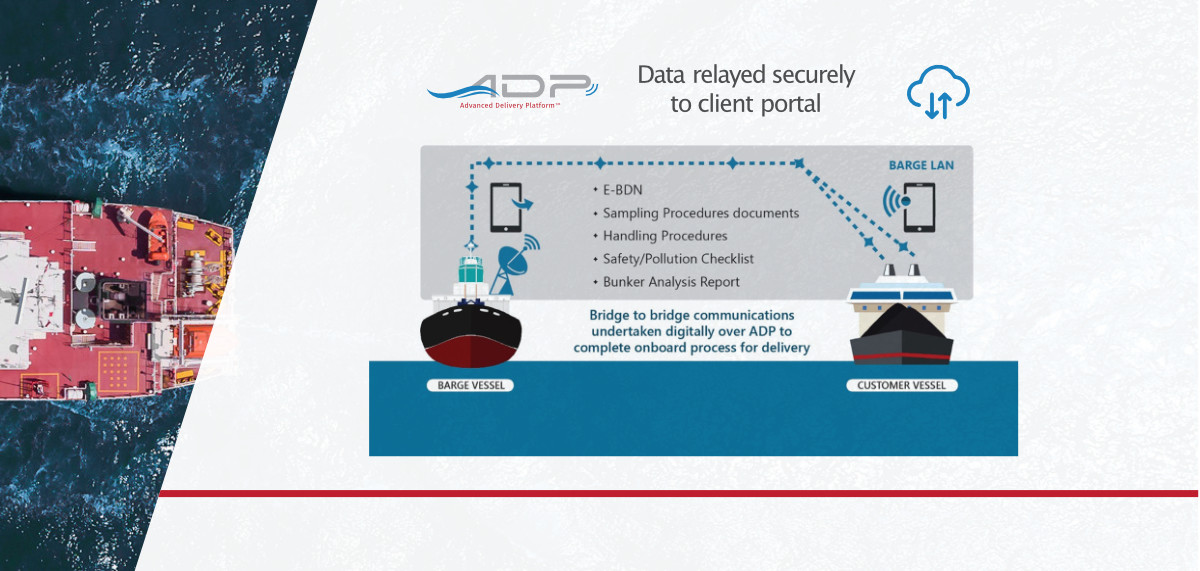
Internally designed hardware to transmit certifiably passive real-time mass flow and other advanced meter data to barge-broadcasted wireless communications network

ADP onboard
Digitized and pre-populated onboard documentation application results in estimated time savings of 2-4 hours per operation
ADP online
Customer portal with pre-delivery, delivery, and post-delivery data viewable real-time from anywhere
ADP allows customers to bunker better, smarter and greener.
Onboard documentation is conducted entirely digitally on both supplying and receiving vessels via the networked application, resulting in hours of saved time, and reduced human error from manual entries.
Back-end integration with customer software systems is supported via API to enable streamlined invoicing and business intelligence. Furthermore, the platform’s audit functionality provides complete transparency into every barrel of fuel loaded onto and discharged from the supply vessel utilized in each customer delivery.
Ultimately, the ADP technology means that all parties have access to transactions or services as they take place in real time and the records, stored using blockchain, are immutable helping to avoid contract disputes or human errors.
Rise-X — Enterprise Orchestration Platform

Built on blockchain technology, every action within the Rise‑X ecosystem is securely recorded and auditable, providing traceability and confidence for all parties. The platform’s multi‑party collaboration capability allows diverse participants—from internal teams to external partners—to share real‑time data and complete tasks seamlessly.
By deploying Rise‑X’s EOP, businesses can avoid the financial and operational risks often associated with large transformation programs, saving time and resources while focusing on growth and customer needs.
Mercuria’s technology department was among the first adopters, leveraging Rise‑X technology to design the Advanced Delivery Platform—a digital solution that transforms marine‑fuel logistics and was incubated by Minerva Bunkering.
Market infrastructure & digitalisation
Commodity markets have historically relied on fragmented systems, manual processes and bilateral data exchanges, creating inefficiencies, delays and operational risk across the trade lifecycle. As transaction volumes increase and supply chains become more complex, the need for shared, reliable and secure digital infrastructure has become more critical.
Mercuria actively supports the development of market-wide platforms that improve how transactions are recorded, validated, financed and settled. By contributing to and adopting shared infrastructure, we help reduce duplication, increase transparency and strengthen trust between market participants.
These platforms enable more efficient post-trade processing, improve data integrity and support faster, more secure execution across global commodity markets. They also create the foundation for greater standardisation and interoperability, allowing participants to operate more effectively within increasingly interconnected systems.
Curl HG
By digitalising core shipping workflows, CurlHG helps transform the operational foundation of global commodities markets.

CurlHG’s tools enhance efficiency and are being adopted across the industry through its collaboration with VAKT, the blockchain‑based post‑trade platform that connects terminals, inspectors, and traders. Together, these developments mark a major step forward in the digitalisation of trade‑operations data with stronger compliance and traceability safeguards.
Mercuria believes that the most effective way to move markets forward is through collaboration rather than competition. We invest and co‑develop technologies alongside our peers instead of duplicating effort in isolation. This philosophy has guided Mercuria’s co‑founding of VAKT and Komgo, which continue to set industry benchmarks for digital post‑trade and trade‑finance processing.
We remain committed to working with innovative organisations to modernise commodity documentation, finance, and settlement—enabling a smarter, more transparent and sustainable supply chain.
Eleox
Eleox is a joint venture formed to solve operational inefficiencies in US natural gas post-trade processes.

Eleox is working to re-imagine commodity post-trade processing through the creation of an enterprise-grade application based on distributed ledger technology (DLT) to replace many existing, siloed post-trade systems with a unified, full lifecycle platform.
This secure, real-time digital approach is being created to manage transactions from post-trade through settlements, replacing paper-based contracts and manual reconciliation processes, and will initially focus on enhancing the post-trade process for North American physical natural gas. The enhanced settlement processing platform will deliver greater transparency and accountability while maintaining data security through the use of distributed ledger technology. It will provide a single, reliable source of truth throughout the trade life cycle, resulting in fewer data errors, reduced mismatches, and less manual reconciliation—all of which will help minimize delays in transaction settlements.
VAKT

Mercuria is a founding member of VAKT which was incorporated in 2018 to create a single source of truth for commodity transactions, including terminals and inspectors along the supply chain of oil trades, and in order to create a single digital record for each trade and a secured mechanism to authenticate bilateral transactions. Beside increasing trade volumes and adoption in 2021, VAKT also extended its offering with trade pairing and confirmation facility (vSure) as logistics facility (vLogistics).
The use of logistics features shows that physical operators are getting more comfortable with the VAKT process for their physical deliveries. Additionally, a number of terminals are receiving nominations from VAKT customers.
VAKT expands also its collaboration with Price Rating Agencies (PRAs) and working on a seamless integration with customer’s Commodity Trading and Risk Management (CTRM) platforms.
Komgo
Komgo provides four solutions to the market covering a broad scope of activities including trade finance, receivable discounting, documentation validation and KYC (“Know-Your-Counterparty”). Mercuria has been an initial investor and early user of a number of these products to assist in the adoption to the broader market. Komgo has grown in a few short years to be the leading trade finance solution in the commodities markets and is used by over 25 large trade finance banks and 100 corporates.
Mercuria was also the principal user of its document authentication system, Trakk. This reduces the ability for invoices or other documents to be amended once issued, thereby reducing fraud. The Komgo business operates on a global scale with offices in US, London, Geneva and Singapore with some of the largest banks, corporates and commodity traders all active users.
Environmental Data, Analytics & Intelligence
As commodity markets evolve, the ability to capture, analyse and apply data effectively is becoming increasingly important. This is particularly relevant in areas such as emissions reporting, environmental markets and land-use assessment, where data quality and traceability are critical.
Mercuria invests in data platforms and analytical tools that improve visibility across both commercial and environmental activities. These capabilities enable more informed decision-making, support compliance and reporting requirements, and strengthen the integrity of environmental markets.
By integrating data into trading, investment and operational processes, Mercuria enhances its ability to manage risk, identify opportunities and contribute to more transparent and accountable market systems.
LANDYIELD
Through the acquisition of technology from Finite Carbon, Mercuria has strengthened its LandYield platform, enabling analysis and monitoring of land-based assets and carbon-related projects.
This supports improved decision-making, enhances traceability and contributes to the development of environmental markets.

LandYield’s underlying technology enables the rapid evaluation of forest carbon potential, allowing landowners and project developers to assess the economic value of carbon sequestration across different areas of land. Using a combination of satellite imagery, remote sensing data, machine learning and ground-based forest inventory data, the platform can model carbon storage and growth with a high degree of accuracy.
This capability allows users to generate real-time carbon revenue estimates and determine which areas of land are suitable for project enrolment, significantly reducing the time and complexity traditionally associated with developing carbon projects.
Beyond initial assessment, the platform supports the full lifecycle of carbon projects. It enables ongoing monitoring, reporting and verification of carbon sequestration, ensuring that projects meet required standards and can generate high-integrity carbon credits.
Importantly, LandYield expands access to environmental markets by enabling participation from smaller landowners, including those with relatively modest landholdings. By aggregating multiple projects and applying consistent monitoring methodologies, the platform helps connect these assets to buyers in voluntary carbon markets, creating new revenue streams while supporting long-term forest management.
Through these capabilities, LandYield demonstrates how technology can bridge the gap between environmental assets and market mechanisms—improving data quality, reducing barriers to entry and enabling the scaling of nature-based solutions.
CITIZEN SEA — PARTNERSHIP WITH HUB OCEAN
Mercuria, together with our subsidiary Minerva Bunkering and partner HUB Ocean, supports Citizen Sea, a mobile app that empowers seafarers and coastal communities to help address critical gaps in ocean data.
By photographing and recording sightings of marine wildlife or pollution, users contribute to an ambitious citizen-science initiative dedicated to ocean health. As the programme expands, new versions of the app will are developed to support future project ideas and complementary initiatives.

Citizen Sea is part of Mercuria’s broader commitment to digital innovation that advances environmental stewardship. Developed in collaboration with Mercuria, Minerva Bunkering, and HUB Ocean, the platform transforms how ocean data is gathered by enabling individuals to act as “eyes on the ocean.”
Available globally on the Apple and Google app stores, Citizen Sea allows anyone at sea or along the coast to photograph and log sightings of marine wildlife and pollution. Each image is automatically geotagged using the user’s phone, enabling research teams to locate events accurately and integrate the data into HUB Ocean’s open-source Ocean Data Platform (ODP), the world’s largest public database for ocean observation and research.
By engaging more than 1.8 million seafarers worldwide, together with the 15 per cent of humanity living along coastlines, Citizen Sea is creating a global network of citizen scientists for the sea. Each uploaded sighting adds to a growing body of data that supports ocean health policy, scientific research, and sustainable marine planning.
The initiative reflects Mercuria’s view that technology can connect commerce and conservation. Through Citizen Sea, everyday observations become valuable scientific insight, helping to improve transparency, close data gaps, and promote responsible ocean management.
We are also exploring how Citizen Sea can be integrated with our wider sustainability platforms to expand its functionality, support applications such as emissions tracking, and reinforce its role in protecting marine environments for future generations.
VALIDERE — DIGITIZING EMISSIONS REPORTING

Mercuria continues to evolve its environmental‑performance management through collaboration with Validere, a leader in emissions‑management software backed by sustainability and technology experts.
This partnership digitizes and validates greenhouse‑gas calculations across Mercuria’s businesses, streamlining GHG reporting and ensuring transparency. The integration of all Mercuria assets into Validere’s cloud‑based platform enhances data consistency, accuracy, and accessibility.
We continue to refine our reporting processes using the insights generated by Validere, embedding technology into every step of our sustainability strategy.
OPERATIONAL OPTIMISATION
Global commodity flows rely heavily on maritime and logistics networks, where efficiency, reliability and adaptability are essential. These operations are increasingly exposed to disruption from factors such as congestion, geopolitical developments and changing environmental conditions.
Mercuria deploys technologies that optimise operational performance across these networks, including tools that improve routing, scheduling and fuel efficiency. By combining digital solutions with physical innovation, we enhance both operational resilience and environmental performance.
These technologies enable more efficient use of resources, reduce emissions and support more responsive and adaptable supply chains in an increasingly complex operating environment.
Amalthea — Dual‑Fuel Innovation
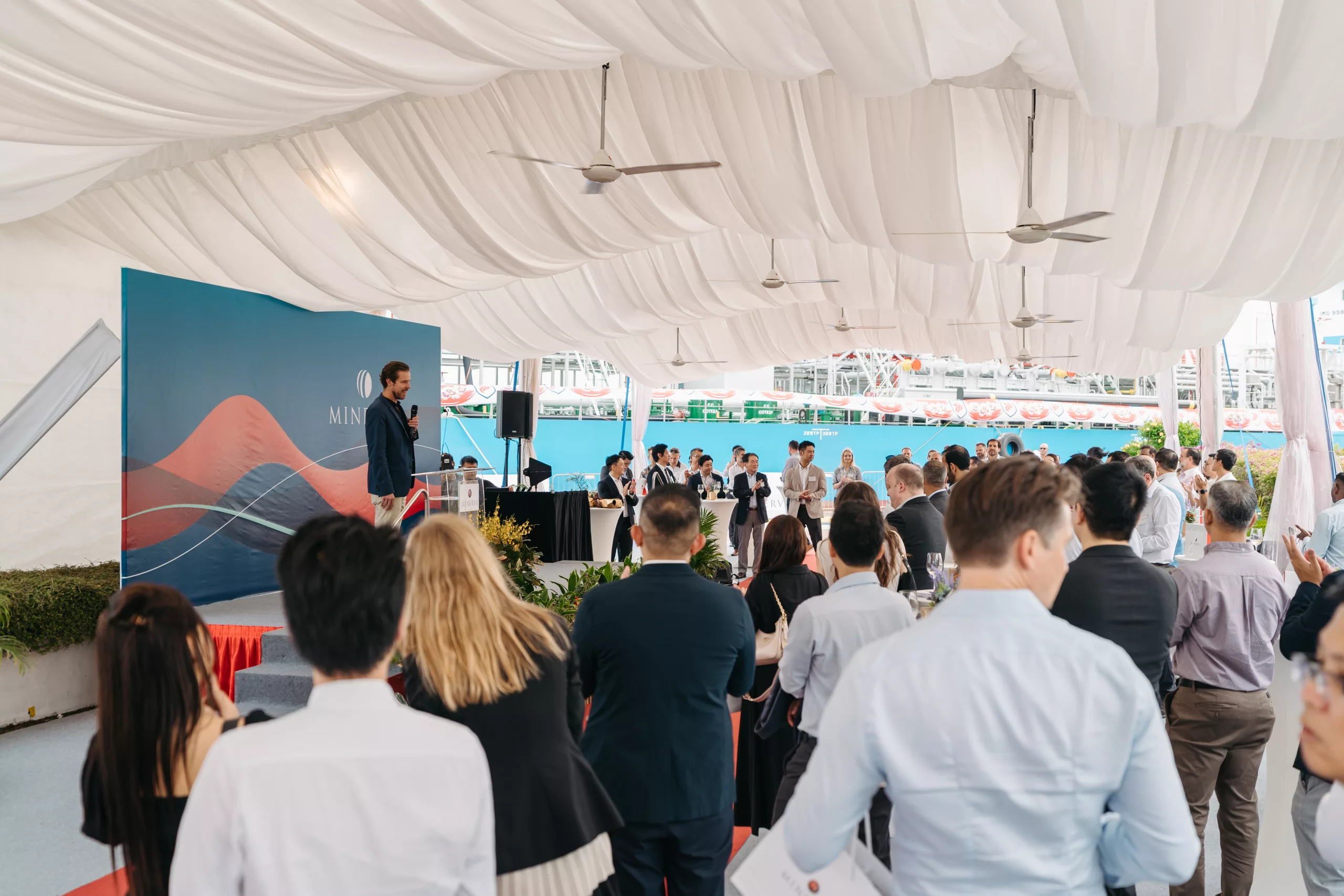
The M/V Amalthea represents the next generation of LNG‑powered bunker tankers—marrying technology and sustainability to advance cleaner, more efficient marine‑fuel delivery in the Port of Singapore, one of the world’s busiest ports.
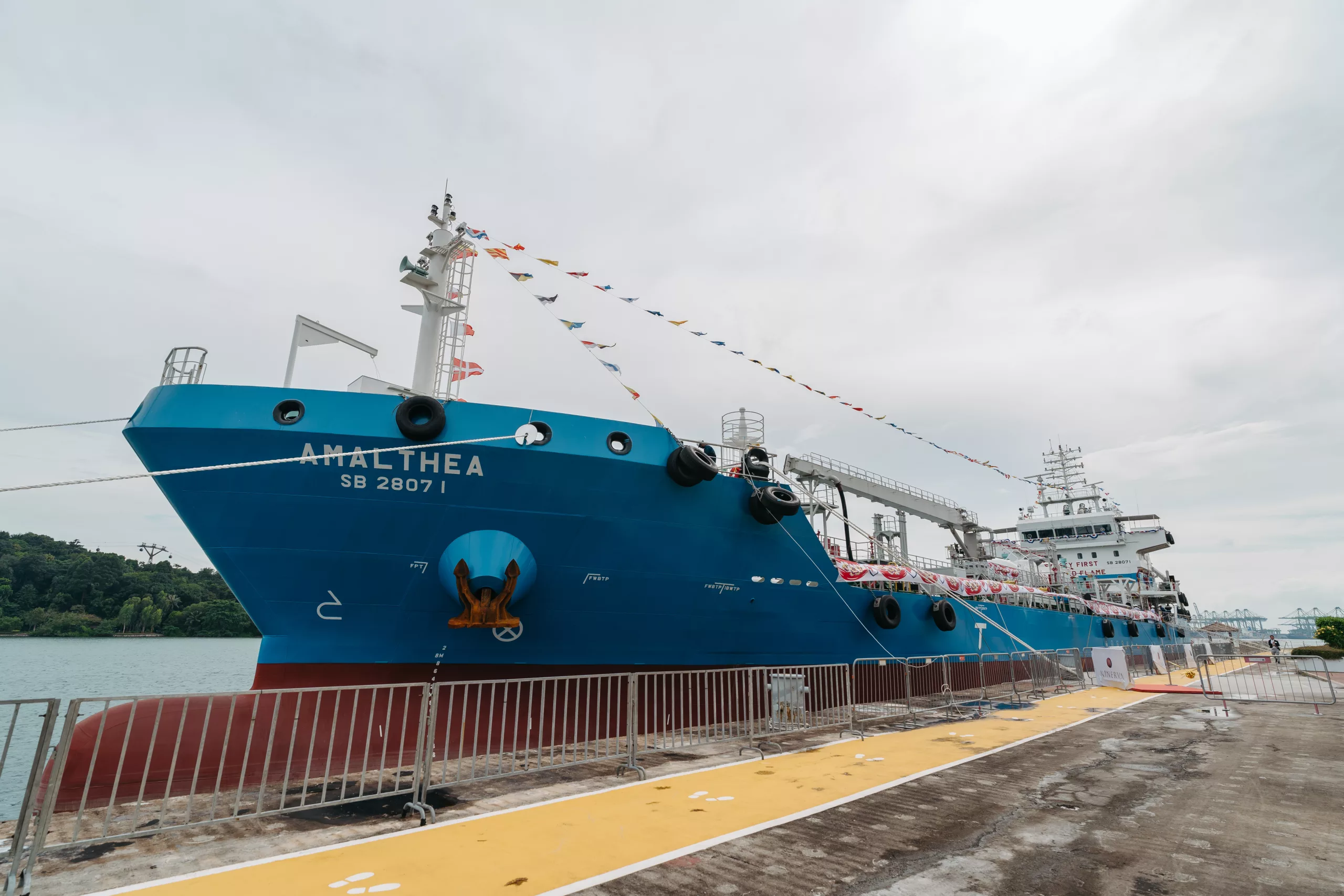
In October 2024, Minerva Bunkering welcomed its newest LNG dual‑fuel bunker tanker, M/V Amalthea, in Singapore. The vessel is the first in a series of 8,000 dwt LNG‑powered tankers supporting Minerva’s expanding operations in Asia.
Constructed by Jiangmen Hangtong Shipyard in China and flagged in Singapore under Bureau Veritas classification, Amalthea features twin Yanmar LNG dual‑fuel engines, combining flexibility with substantial emissions‑reduction. Its 100 m³ Type‑C LNG fuel tank demonstrates Mercuria’s commitment to innovation and sustainable marine engineering.
Designed to serve container ships, bulk carriers, cruise liners, and tankers, Amalthea aligns with Singapore’s drive to promote LNG as a cleaner marine fuel. A ceremonial launch at the Port of Singapore honored the vessel’s arrival, attended by Tyler Baron (CEO of Minerva Bunkering), Kostas Poydakis (Head of Fleet), and Zhu Hong (founding partner of Mercuria Asia and Amalthea’s godmother).
Amalthea marks a significant milestone in digital and environmental transformation across global bunkering operations.

ZERONORTH

Mercuria uses ZeroNorth to support smarter voyage management and more digital, data-driven decision-making across our shipping activities. By reporting time and spot voyages through the platform, we strengthen our ability to monitor voyage performance, optimize routing and scheduling, and respond more effectively to a wide range of supply chain challenges, including congestion at maritime chokepoints, geopolitical disruption, adverse weather, port delays, and changing water levels.
ZeroNorth also supports more efficient voyage execution. By helping identify optimized routes and operational scenarios, the platform contributes to lower fuel consumption, reduced emissions, and greater operational resilience.
For Mercuria, ZeroNorth also provides a more digital way of tracking and managing emissions-related data. Fuel usage is continuously updated within the system and integrated with voyage information, improving visibility into operational performance, supporting robust emissions reporting, and strengthening internal monitoring over time. In this way, ZeroNorth not only optimizes voyages but also advances broader goals of transparency, efficiency, and decarbonization across our maritime operations.
Innovation & talent development
Mercuria supports innovation through initiatives that bring together internal teams, external partners and emerging talent. These programmes encourage experimentation, problem-solving and the development of practical solutions to real-world challenges in energy and commodities markets.
By fostering a culture of collaboration and learning, we help ensure that innovation is both continuous and scalable, supporting the ongoing evolution of our business and the markets in which we operate.
Mercuria Hackathons
Our global Mercuria Hackathon Series combines technology and innovation with hiring and internships.
These high‑energy weekend events bring together interdisciplinary teams to design creative digital solutions to real business optimization and energy‑transition challenges.
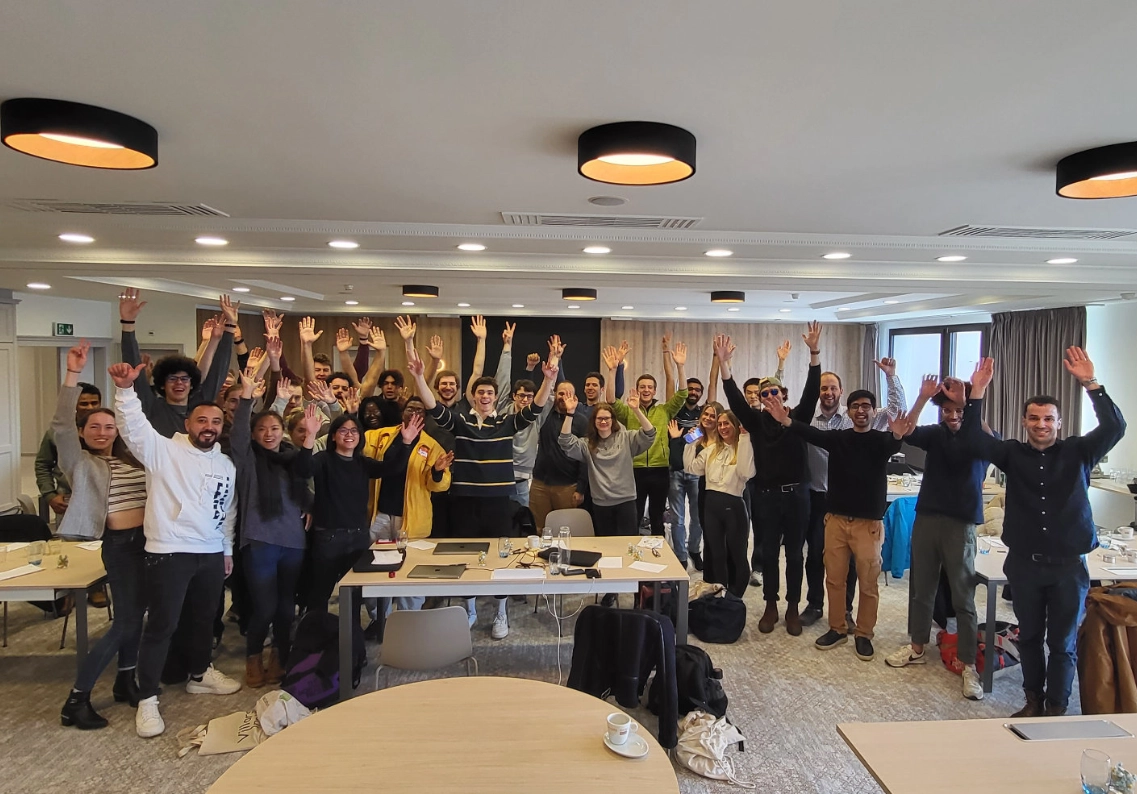
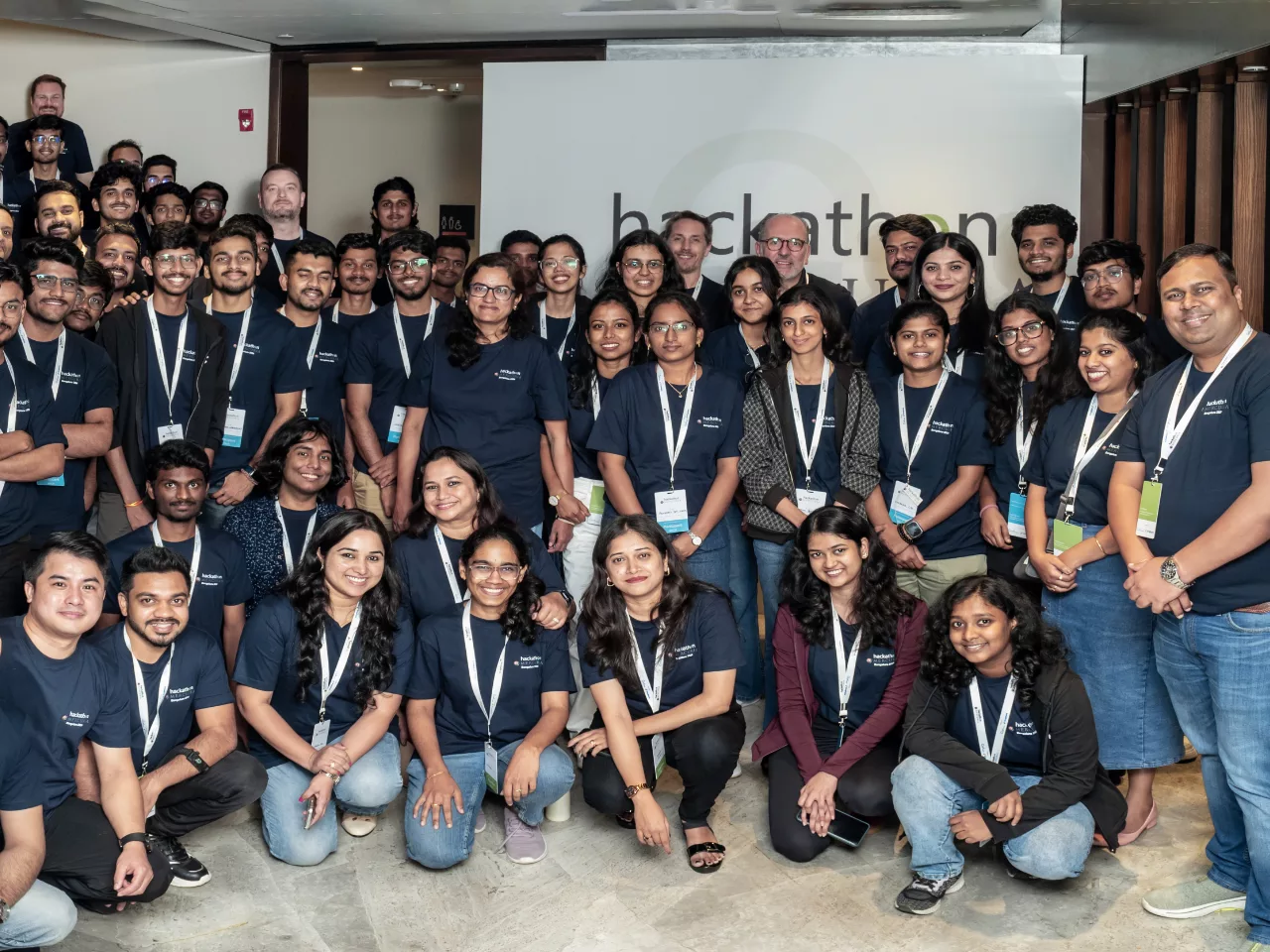

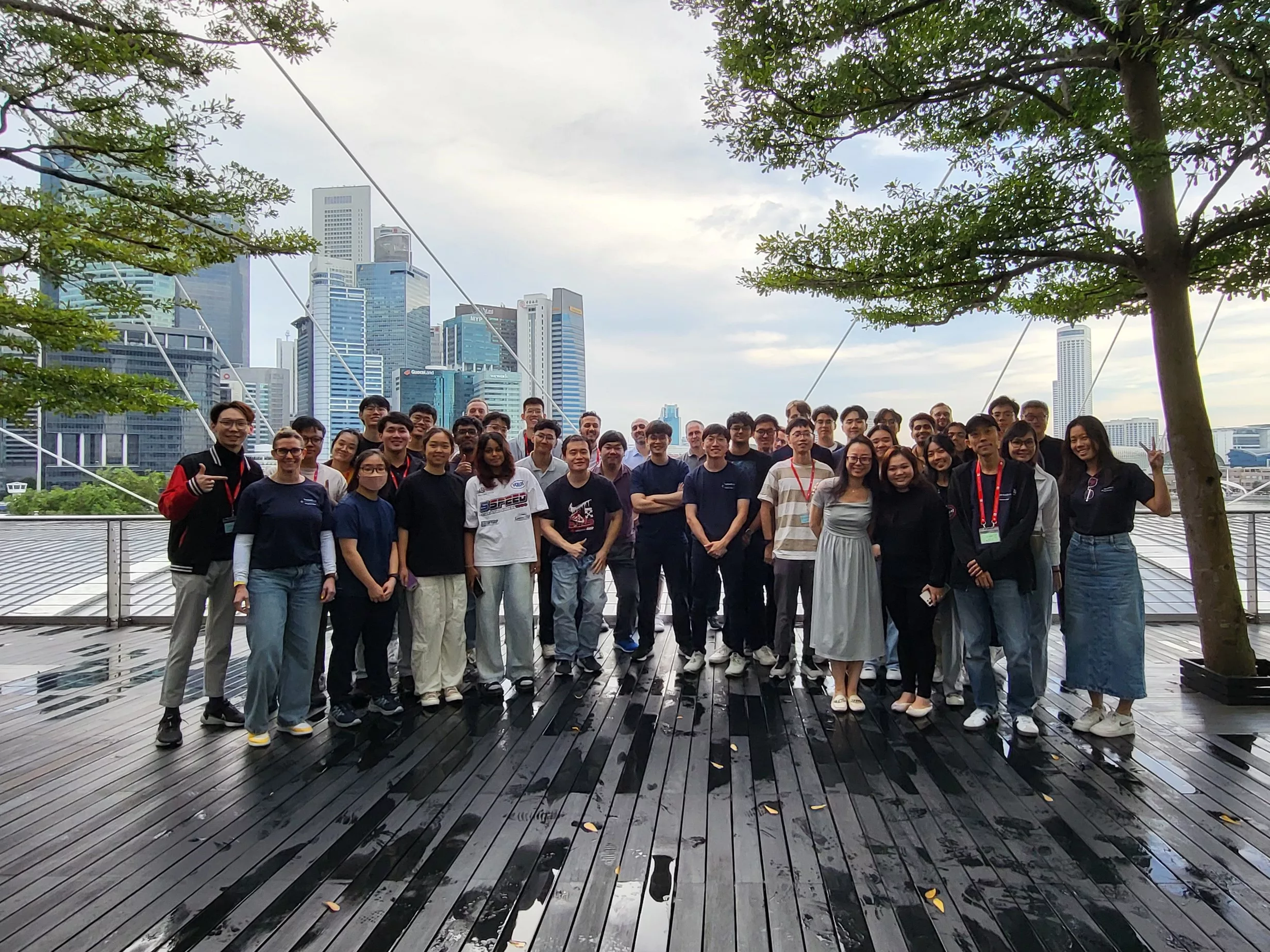
Mercuria’s Hackathon Series integrates our strategies for technology, innovation, and recruitment. Held in major technology hubs around the world, these dynamic weekend events mirror the collaborative, fast‑paced environment of modern software development. Participants work across disciplines to design creative digital solutions that address real challenges facing the energy and commodities sectors.
Each hackathon is designed to simulate real work—teams composed of individuals from diverse fields tackle open‑ended problems using limited information, encouraging creative thinking and teamwork under pressure. By engaging future technologists in hands‑on problem‑solving, Mercuria helps cultivate talent with the curiosity and capability to power the industry’s evolution.
Since launching the series with our first event in the Alps in Switzerland, Mercuria has hosted hackathons in Austin, Texas, Bengaluru, India and Singapore, collaborating with technology partners such as CurlHG and Amphora. Across these events, hundreds of students have taken part, exploring themes including cybersecurity, artificial intelligence, data analytics, and sustainability. Challenges have ranged from designing systems for renewable‑energy forecasting and carbon‑credit verification to building machine‑learning models that detect anomalous user behaviour.
Beyond the competition, the hackathons represent Mercuria’s wider mission to connect ideas and action. They encourage experimentation with emerging technologies such as AI, blockchain, and remote sensing — tools that are reshaping how data are gathered, validated, and applied across the commodities value chain.
Collectively, these events have contributed to our reputation as an innovative, forward‑thinking employer and have inspired participants to pursue careers that unite technology, sustainability, and global impact. By bridging academic insight with industry practice, the hackathons demonstrate how collaborative creativity fuels the future of energy and commerce.
We are committed to continuing to innovate and expand our hackathon programme, bringing together internal experts, educational institutions, and technology partners in new ways, in new regions and with new challenges. Each event deepens the connection between digital innovation and the energy transition, ensuring that the next wave of ideas and talent emerges from a culture of collaboration and purpose.
Continue reading