

Progress in 2025
Planet in 2025
Introduction
We continue to grow our trading portfolio and equity investments, alongside ongoing support for biodiversity and broader sustainability initiatives through Silvania and partnerships with diverse stakeholders. This progress reflects our role in the energy transition and our commitment to an efficient, resilient energy system that helps protect communities and the natural environment.
As an energy-focused business, we acknowledge the urgency of delivering energy that is both dependable and responsibly produced and supplied.

Energy mix
Over time, we have strategically diversified our portfolio through organic growth and acquisitions, evolving from a predominantly traditional energy trading business into a broader platform that increasingly includes lower-carbon and transition-enabling commodities. Our traded volumes reflect a clear shift away from an oil-dependent portfolio toward gas, power, carbon and metals, as illustrated in the historical chart of traded volumes by product type.
This diversification underpins our commitment to the energy transition and to supporting a more sustainable and resilient energy system. We believe gas will continue to play an important role in the evolving energy mix, offering a lower-emissions alternative to higher-carbon fuels while providing reliability that helps enable greater integration of renewable energy. Most recently, we have further expanded our trading portfolio through the growth of our metals business, establishing a dedicated trading desk spanning critical and other metals.
As a result, the share of oil relative to non-oil trading activity has declined significantly since Mercuria’s inception.
Historical percentage of traded volumes by product type
Oil vs. non-oil ratio
CO2 intensity of commodities traded
Over time, we have measured the average carbon intensity of the commodities we trade to better understand how our product mix is evolving. The chart below shows the weighted-average carbon intensity of Mercuria’s traded energy portfolio since our inception in 2004, expressed in grams of carbon dioxide equivalent per megajoule of energy (g CO₂e/MJ). The calculation covers traded energy products including oil, gas, power, and coal, as well as associated instruments such as carbon certificates and metals that support the energy transition.
While year-on-year results can fluctuate—reflecting changes in market conditions and trading activity across regions—the overall trend is downward. This indicates a gradual shift in our traded mix away from higher-carbon products toward lower-carbon alternatives. The evolution has been supported by increased activity in gas, power and carbon certificates, alongside other lower-carbon and transition-related products, and is consistent with our commitment to reducing the carbon intensity of our trading portfolio. Overall, the trend demonstrates improved carbon efficiency in our traded portfolio, supporting our ambition to contribute to net zero goals while helping meet global energy needs.
Carbon management & carbon neutrality
We are committed to investing in the energy transition and to actively managing and reducing emissions across our portfolio of equity investments. Our asset companies continue to improve operational efficiency and, where feasible, reduce emissions through measures such as enhanced leak detection and repair and the deployment of carbon capture technologies to support more efficient operations and innovative business models. As operational emissions cannot be fully eliminated, we take actions to address the remainder. As operational emissions cannot be fully eliminated, we prioritise direct emissions reductions and technology improvements. For residual emissions, we support high-quality carbon removal and climate mitigation projects, contributing to global emissions reductions as part of our progress toward our 2050 net-zero commitment.
2025 CO2 emissions
Over the years, we have been tracking and disclosing our greenhouse gas (GHG) emissions footprint, and making improvements in data collection and our approach. We continue to use Validere in 2025 for digitized reporting. Validere is a leading emissions management software provider, supported by a highly skilled team of GHG experts. Validere supports emission calculations, record-keeping, and updates to emission and conversion factors. This collaboration not only digitizes our reporting process, but also verifies our emissions calculations by recalculating all emissions for each asset.
Our 2025 CO2 emissions across Scope 1, Scope 2 (Location-based) and Scope 3 (Categories 6, 8 and 9) for our in-scope assets:
* For one asset we have used the previous year’s values (Scope 1 – 48 Tonnes CO2e and Scope 2 – 30 Tonnes CO2e) as a result of the asset’s different reporting timeline.
✔ The marked figures were subject to limited assurance procedures by PricewaterhouseCoopers SA.
2025 CO2 emissions in Scope 3 breakdown:
✔ The marked figures were subject to limited assurance procedures by PricewaterhouseCoopers SA.
We calculate emissions on an equity share basis, attributing emissions in proportion to our ownership percentage in each asset company. We use a threshold of 20% equity percentage or higher. More details on our approach and scoping are covered in the Basis of reporting section below. This threshold reflects on both data availability and materiality. In practice, ownership positions below 20% often provide limited access to the operational data necessary for robust emissions quantification, which can reduce the reliability and consistency of reporting. In addition, such minority interests generally represent a relatively small share of Mercuria’s overall portfolio exposure and are therefore unlikely to have a material impact on the Group’s total emissions footprint. The 20% threshold therefore provides a practical balance between completeness, data quality, and proportionality.
We consider this approach to best reflect the nature of Mercuria’s relationship to the assets in which we invest. Mercuria’s interests in these assets are typically equity-based rather than operationally controlled, and the equity share method is therefore the most appropriate basis for attribution.
Commentary on changes: 2024 vs 2025
Yearly comparison of global GHG footprint on an equity basis in tonnes of CO2e:
Comparison of Scopes 1 and 2: 2024 vs. 2025
The figure above illustrates the changes of Scopes 1, 2 and 3 from 2024 to 2025. Scope 1 emissions decreased slightly from 550,306 Tonnes CO2e in 2024 to 491,192 Tonnes CO2e in 2025 and Scope 2 emissions increased from 134,768 Tonnes CO2e to 290,297 Tonnes CO2e. The differences are attributed to operational changes in certain assets and changes in equity ownership. The notable increase in Scope 2 emissions is primarily attributable to a new asset whose operations are powered almost entirely by electricity, including its engines and pipeline system.
Comparison of Scope 3: 2024 vs. 2025
Scope 3 emissions increased from 3,661,032 Tonnes CO2e in 2024 to 5,262,610 Tonnes CO2e in 2025. The expansion of our business into new products and regions is associated with transport activity increase, including the movement of products by vessel and pipeline, as well as employee business travel.
Category 6: Upstream – Business travel
Scope 3 emissions related to business travel have slightly decreased from 7,943 Tonnes CO2e to 6,227 Tonnes CO2e from 2024 to 2025, respectively.
Category 8: Upstream – Leased assets
Our time chartering business remains the top contributor to our Scope 3 emissions, with a value of 1,819,132 Tonnes CO2e in 2024, increasing to 3,342,576 Tonnes CO2e in 2025. Alongside business growth, ongoing conflict has reduced vessel availability and increased voyage distances, contributing to higher emissions.
Category 9: Downstream – Transportation and distribution
Our emissions from pipeline transportation have changed from 752,127 Tonnes CO2e to 1,008,367 Tonnes CO2e from 2024 to 2025, respectively, and our voyage charter emissions decreased from 1,081,830 to 905,441 Tonnes CO2e, respectively.
In 2025, we reported on our vessels’ emissions from both time and voyage charter using ZeroNorth, a platform for optimizing shipping routes and recording, tracking, and validating carbon emissions associated with our vessel operations. Emissions were calculated using ISO emission factors.
Year-on-year fluctuations in the use of time-charter vessels (Category 8) versus spot voyages (Category 9) are driven by both market dynamics and cargo availability. The volume of Mercuria cargo available for shipment on a spot basis may differ from one year to the next. These factors can affect both the number of voyages undertaken and the choice of shipping model, resulting in greater reliance in some years on time-charter arrangements rather than spot voyages.
Basis of reporting
The aim of this section is to outline and describe the methodology and scope that serve as the basis of preparation for the calculation and reporting of our Greenhouse Gas (GHG) footprint for the year 2025. The scope of the report includes Mercuria’s Trading business and Assets held at Mercuria Energy Group Ltd, as well as assets held at Mercuria Energy Group Holdings Ltd level.
Background
For several years, we have actively measured and reported our GHG footprint, consistently seeking enhancements in our process, while maintaining consistency with the GHG Protocol Corporate Accounting and Reporting Standard to support a reliable baseline and meaningful year-on-year comparison. We continue to improve data quality, processes around data collection and calculations when better data and approaches are available. In 2025, we continued our partnership with Validere, a third-party emissions management software provider, backed by a team of qualified experts. This collaboration started in 2023 and was aimed at digitizing and validating our emission calculations and streamlining our GHG reporting across multiple assets.
We partner with ZeroNorth to optimize shipping routes and to record, track, and validate carbon emissions associated with our voyage and time-charter operations, while enhancing operational resilience to disruptions driven by changes in the water cycle, including extreme weather events and transport chokepoints.
The following basis of preparation was employed for our GHG emissions calculations in 2025:
Guidance and Emission factors
We adhere to the GHG Protocol Corporate Accounting and Reporting Standard, as the guiding standard for our emissions. Given the diversity of our activities and investments, we have considered the principles from various guidance (e.g., IPIECA for oil and gas) for the respective activity. We continue to review and update our approach as new guidance becomes available.
Our approach, in order of priority, consists of the following steps:
- Reported emissions: We report emissions data disclosed in regulatory filings for our assets.
- Primary data collection: We collect primary data, including actual consumption figures from invoices and management reports, to quantify emissions.
- Estimation with derived figures: Where reported emissions and primary data are unavailable, we estimate emissions by applying derived/estimated figures to activity-based data.
Our emission factors are primarily sourced from the IPCC, ISO, DEFRA, EPA, and IMO. These factors are updated annually to reflect the latest published versions and have been independently verified by Validere and PwC for accuracy and reliability.
Organizational footprint
We report our organizational footprint based on the GHG Protocol equity share approach. Asset emissions are calculated based on Mercuria’s percentage equity share of each asset. Equity share gives a better reflection of our business model compared to the operational control basis as we are not primarily an operator of assets.
The assets we own and operate cover a wide range of energy and energy-transition related assets. This includes terminals and warehousing for storage, bunkering vessels, renewable fuel refineries, gas and power assets, forestry and mining activities.
Scope of reporting
For the purposes of this report, Mercuria focuses on the assets and activities expected to contribute most significantly to its GHG profile. These include operations involving combustion of fossil fuels and activities prone to atmospheric releases, such as venting. The principal sources included in the inventory are oil and gas production, biofuel refining, mining, transportation, Mercuria offices, data centers, shipping and pipeline transport, and business travel.
In accordance with the GHG Protocol, Mercuria discloses the following specific exclusions from its GHG inventory:
- investments in entities where Mercuria’s equity interest is below 20%;
- assets that remain in the development stage and are not yet operational, or are not yet generating emissions at a material level; and
- for the purposes of Scope 2 reporting from Mercuria offices globally, offices with fewer than 15 employees.
Investments below the 20% equity threshold are excluded because Mercuria generally has limited access to the operational data required to prepare robust, reliable and consistent emissions estimates for such holdings. In addition, based on Mercuria’s assessment of its portfolio, these minority interests are not expected, individually or in aggregate, to have a material effect on the Group’s overall GHG inventory. The 20% threshold therefore reflects both data availability and materiality considerations, and provides a practical balance between completeness, data quality and proportionality.
Development-stage assets are excluded because they have not yet reached a stage of operation at which emissions are expected to be material to the Group’s inventory, and because the activity data needed for reliable quantification may not yet be available. Mercuria reviews these assets periodically and will bring them into scope as they progress toward operation, as better data becomes available, or where their expected emissions become material.
For Scope 2 emissions (electricity and gas consumption) relating to Mercuria offices globally, offices with fewer than 15 employees are excluded on the basis of materiality. These offices are not expected to contribute significant energy consumption or associated indirect emissions, either individually or in aggregate, relative to the Group’s overall Scope 2 footprint. Their exclusion is therefore not considered to have a material impact on the completeness or relevance of the reported inventory. Mercuria keeps this threshold under periodic review and will revise the reporting boundary where changes in office size, energy use or data availability make inclusion appropriate.
On this basis, the reporting scope includes emissions from two bio-refining, two mining, six upstream oil and gas, one forestry, one warehouse, one alternative fuel, five terminals, a bunkering business and a freight business. The emissions also include Mercuria offices, data centers, transportation via ship or pipeline and business flights for Mercuria employees.
Mercuria considers these exclusions to be appropriately identified, justified and disclosed. Based on the current assessment, the excluded sources are not expected to materially affect the completeness or relevance of the reported GHG inventory.
Scopes
The following is reported in the GHG protocol scopes:
Scope 1 – Direct emissions
- Mercuria assets, activities and companies we invest in: direct emissions from operational activities, which includes stationary and mobile combustion, flaring and venting and other related operational emissions.
- Direct emissions from shipping activities performed by vessels owned by Mercuria.
Scope 2 – Indirect energy imports
- Mercuria assets: purchased electricity, steam, heating and other energy imports.
- Mercuria offices and data centres: purchased electricity and gas.
Scope 3 – Selected categories
- Category 6: Upstream – Business travel
- Reported For Mercuria’s business flights.
- Category 8: Upstream – Leased assets
- Reported for Mercuria’s time chartering of vessels.
- Category 9: Downstream – Transportation and Distribution
- Reported for transportation of traded commodities via gas and crude pipelines or marine vessel.
Further details on approach
-
- We adhere to the GHG Protocol Corporate Accounting and Reporting Standard
- The gases included in the calculations are those in the Kyoto basket of gases – the largest contributors are carbon dioxide and methane.
- Where possible, we have utilized supporting documents from the assets and companies we have invested in to determine emissions based on actual consumption data, or we have used GHG reports created for regulatory purposes. However, due to the widespread distribution of emission sources, challenges in data collection, or the limited scope of regulatory reports, we have occasionally resorted to estimating emissions using production or activity data. For these estimations, our centralized approach employs common emission factors and Global Warming Potentials (GWPs) as outlined in the IPCC’s Sixth Assessment Report.
- In addition to Scope 2 emissions from our assets and investee companies, the scope also includes emissions from our offices and data centres. In specific, we have included electricity and gas consumption from offices with a minimum of 15 employees.
- A fundamental part of our operations involves the trading of commodities among various parties, which necessitates the global transportation of physical goods across markets. This activity is directly related to Scope 3 emissions from categories 6 (Business Travel), 8 (Upstream Leased Assets), and 9 (Downstream Transportation and Distribution). Therefore, we have incorporated these Scope 3 emission categories into our emission reporting since they are most pertinent to our business model, ensuring a comprehensive assessment of our environmental impact.
- Category 6: Upstream – Business travel.
- We report on our business air travel emissions. Our travel agency stores details of all business flights. Our business travel emissions are then calculated directly from this data by a third-party, AirPlus. AirPlus is a leading global provider offering specialized solutions designed to help companies manage, report, and reduce the environmental impact of their business travel, centered around the Green Report.
- Category 8: Upstream – Leased assets.
- Our vessel chartering business is growing. We charter vessels on time charter, and consequently charter them to third parties for their own use. Emissions are calculated based on the total actual consumption of fuel across the period of the time charter during the year.
- Category 9: Downstream – Transportation and distribution.
- We have accounted for the primary sources of our downstream emissions, focusing on the maritime transport of commodities and the conveyance of gas and crude through pipelines.
- Shipping emissions: The emissions include voyage charters for commodities transported using actual fuel consumption. This year we started using ZeroNorth’s platform for our shipping emissions. ZeroNorth contacts ship-owners directly to report actual fuel consumption, which ZeroNorth uses to calculate emissions using ISO emission factors.
- Pipeline: For gas and crude transportation by pipeline, we estimate losses (from leakages or usage e.g., to power compressors by the pipeline operator) by applying IPCC emission factors based on the volumes transported during the year.
- In preparing this report, we have evaluated other Scope 3 emission categories. However, our distinct role in the value chain, primarily as an intermediary facilitating the exchange and temporary storage of a diverse array of commodities, sets us apart. Our unique position spanning various value chains across different industries without being a direct consumer or a major producer, has led us to exclude additional categories from our current reporting scope. We report only on Scope 3 categories where we have direct influence or meaningful control. The significant challenges in acquiring appropriate data also play a role in this decision. Emissions from production facilities we have equity in are already accounted for and included in our Scope 1 and Scope 2 calculations. We are committed to staying up-to-date with the evolving methodologies and guidance, aiming to refine our reporting practices in future periods.
Independent practitioner's limited assurance report
Read the PwC limited assurance report on selected non-financial information published in this section of the Mercuria CSR website for 2025
Environmental releases
During the 2025 calendar year there were seven instances where our operations (inclusive of both Mercuria’s own entities and contract services working on our behalf) were deemed responsible for unauthorized releases into the environment which mandated involvement of authorities at a state, federal or national level.
While the increase in spill events is primarily attributable to an increased number of operating sites that have become part of our Assets, we are still closely working across all levels of our corporate management to ensure appropriate corrective actions are being applied to help guard against recurrence.
None of the release events that occurred during 2025 resulted in any injuries or other hazardous situations such as fires or explosions. All reclamation activities were conducted to the satisfaction of the overseeing authorities. Subsequent to any significant event a follow-up investigation is conducted to assess causal or contributing factors with the aim of identifying measures that might help guard against similar recurrence. As appropriate we also work to communicate across our various businesses any “lessons learned” as shared knowledge and seeking to ensure best practices are uniformly adopted.
In all cases where Mercuria or its contractors are involved in a situation where there is a release event and regardless of fault, as a standard practice the involved operations will take whatever appropriate actions are safely available to them to minimize and stop the source of the release, and to mitigate damage where possible. Our operations will then ensure that appropriate resources for spill clean-up are dispatched as needed to assist our operations in providing effective containment, recovery or remediation efforts. Concurrently as appropriate, our operations will also ensure that governing authorities have been properly notified in accordance with local legislative requirements.
As a result of some environmental related incidents within our businesses we paid a total of 4,738 USD as penalties in the 2025 calendar year.
* Exclusive of any spill events where another party had primary responsibility for the event or where notification was given to state federal or national authorities as a courtesy – but was not required.
These statistics are exclusive of any authorized / permitted discharges, events where authorities determined that Mercuria or its contractor were not the responsible party, or instances where notification to authorities may have been provided as a courtesy but was not mandated. Further, only penalties paid directly to governing authorities with oversight of health, safety or environmental issues are reported. Taxes or other regulatory fees that might also be paid to authorities are not included, nor are any other related expenses incurred for repairs or corrective work or amounts that might be paid to affected third parties or service providers in relation to an event.
Ocean, Poles & Glaciers
In 2025, Mercuria strengthened its long term Oceans, Poles & Glaciers commitment through a year defined by science based collaboration, digital innovation, and collective action.
Building on the five ocean pillars—Science & Research, New Ideas & Technology, Data & Data Sharing, Restoration Efforts, and Education & Awareness—our work focused on expanding knowledge, scaling investment, and empowering communities to help restore the systems that regulate Earth’s climate.
A Week of Global Ocean Engagement
June 2025 brought the world’s attention to ocean sustainability during World Ocean Day, the Blue Economy Finance Forum, and the 3rd UN Ocean Conference (UNOC3). Mercuria participated as both a convenor and a catalyst—championing partnerships that drive measurable impact across science, finance, and policy.
The Blue Economy Finance Forum – Monaco
Ahead of UNOC3, Mercuria joined leaders at the Blue Economy Finance Forum hosted by H.S.H. Prince Albert II of Monaco. Our Chief Corporate Responsibility and Compliance Officer, Victoria Attwood Scott, represented Mercuria in discussions on mobilising private capital for ocean health, resilience, and biodiversity. The forum emphasised collaboration between finance, business, and science to scale solutions that support climate goals and a thriving blue economy.
Ocean House at UNOC3 – A Hub for Collaboration & Action
Mercuria proudly sponsored Ocean House, transforming our commitment into a physical space for dialogue and innovation. Together with partners, we hosted three flagship events:
- Leading the Charge: Shaping the Future of Ocean Investment
Co‑hosted with Builders Vision, Katapult Ocean, ORRAA, S2G Investments, and Standard Chartered, this roundtable united investors and entrepreneurs to examine how capital can accelerate ocean regeneration. - Turning the Tide: The Ocean through Data, Design & Discovery
Featuring Kimberly Mathisen (HUB Ocean), Patrick Aebischer (Forel Heritage Association), Tom Birbeck (ARC Marine), and Victoria Attwood Scott (Mercuria), this session highlighted innovative uses of ocean data, eco‑engineering, and ship design to protect polar and marine ecosystems. The event opened with the premiere of our Turning the Tide short film. - From Emissions to Ambition: Rethinking Maritime Impact
An evening of discussion among industry and policy leaders—including Katharine Palmer (UN High-Level Climate Champions), M. Sanjayan (Conservation International), Chavalit Frederick Tsao (Tsao Pao Chee Group), and Mercuria’s shipping team—centre‑staged the sector’s role in decarbonisation, digitalisation, and ocean recovery.
Advancing Global Initiatives
Also in 2025, Mercuria deepened its engagement in global efforts to protect and restore the ocean. As a proud signatory of the Business Call to Action, we joined a growing network of companies and policymakers committed to integrating ocean health into business strategy and advocating for science‑based governance. This global call emphasises the ocean’s indispensable role in achieving sustainability and resilience across economies, recognising that thriving seas are fundamental to equitable development on land and water alike.
Our commitment also extended to the 30×30 Ocean Action Plan, a collective initiative to safeguard 30 per cent of the ocean by 2030. Mercuria’s support helped advance the plan’s governance framework and financing roadmap, reinforcing the need for inclusive local leadership in marine conservation. Together, these initiatives represent a unified effort to secure the ocean’s future—driving collaboration, investment, and accountability across sectors to maintain the natural boundaries that sustain life on Earth.
Science & Research in the Field
Forel 2025 Expedition
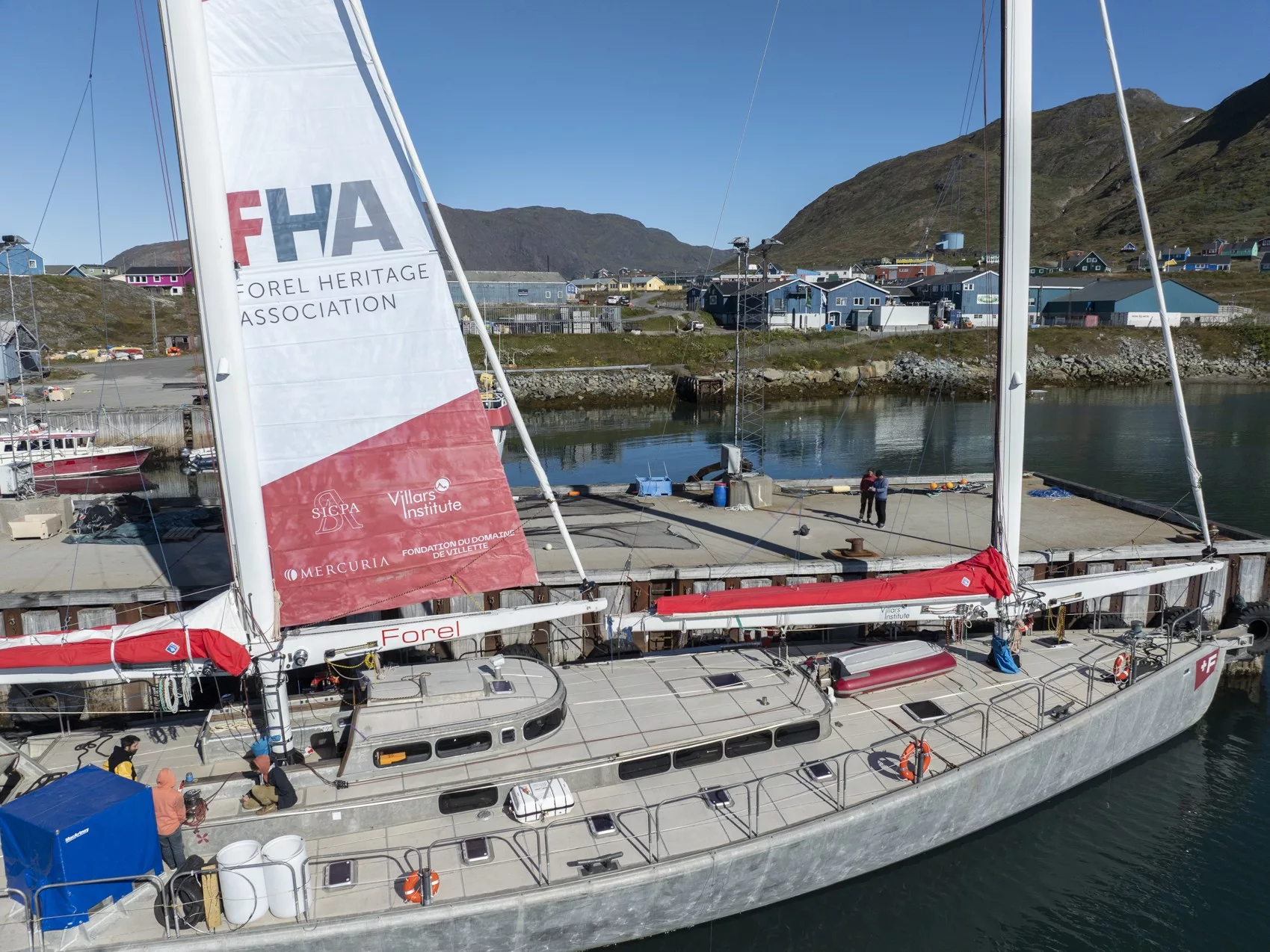
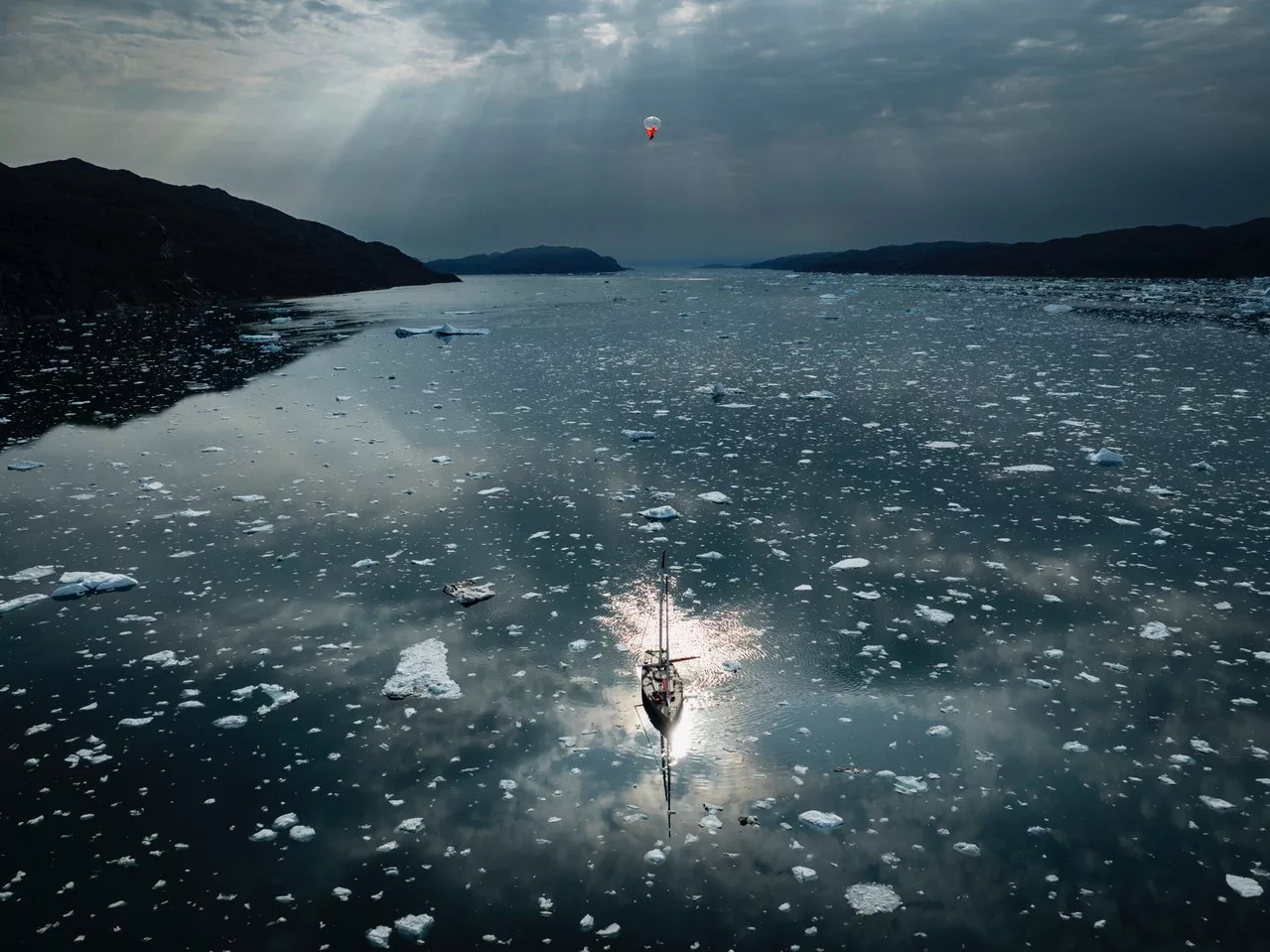
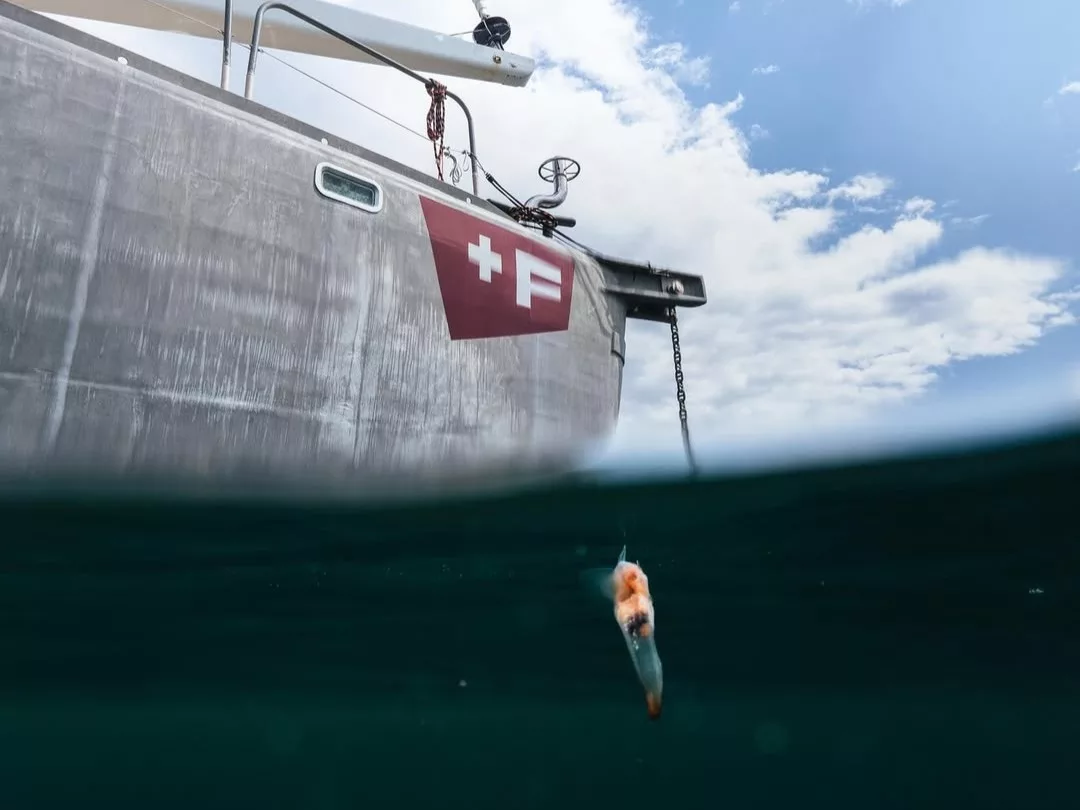
As a key sponsor and partner of the Forel Heritage Association, Mercuria supported the Forel’s ambitious 2025 Arctic research campaign spanning Canada and Greenland. Over more than four months of operations, the FOREL research vessel served as a mobile scientific platform for international teams from leading institutions including ETH Zurich, EPFL and Université Laval.
The expedition focused on coastal polar environments—critical but under-studied interfaces between land, ocean and ice. Research programmes examined the impacts of glacial melt on fjord ecosystems, including effects on carbon cycles, methane emissions and biodiversity such as zooplankton and polar cod. Scientists also investigated ocean–atmosphere–cryosphere interactions, a key driver of climate feedback mechanisms.
Fieldwork combined advanced oceanographic techniques with emerging technologies. Teams deployed conductivity–temperature–depth (CTD) sensors, conducted environmental DNA (eDNA) sampling, mapped fjord systems using multibeam sonar, and monitored micro- and nanoparticle pollution to better understand the spread of contaminants in marine environments. New tools—including drones and atmospheric measurement systems—were also tested to improve data collection in remote polar conditions.
Beyond research, the mission contributed to capacity building and knowledge sharing. Early-career scientists were trained in polar fieldwork, while engagement with local and indigenous communities helped integrate scientific and traditional knowledge. The data generated will support improved climate modelling and inform decision-making on the protection of vulnerable polar ecosystems.
Ice Station Antarctica
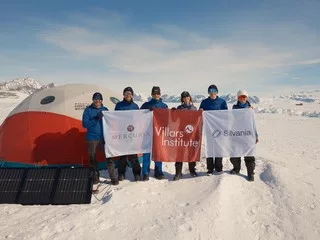
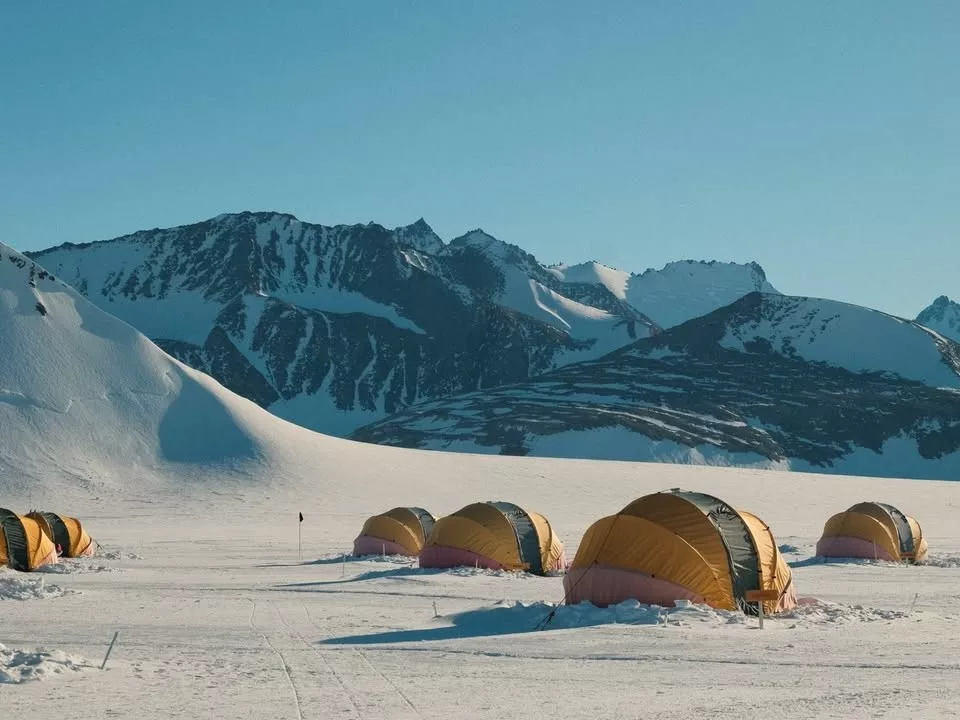
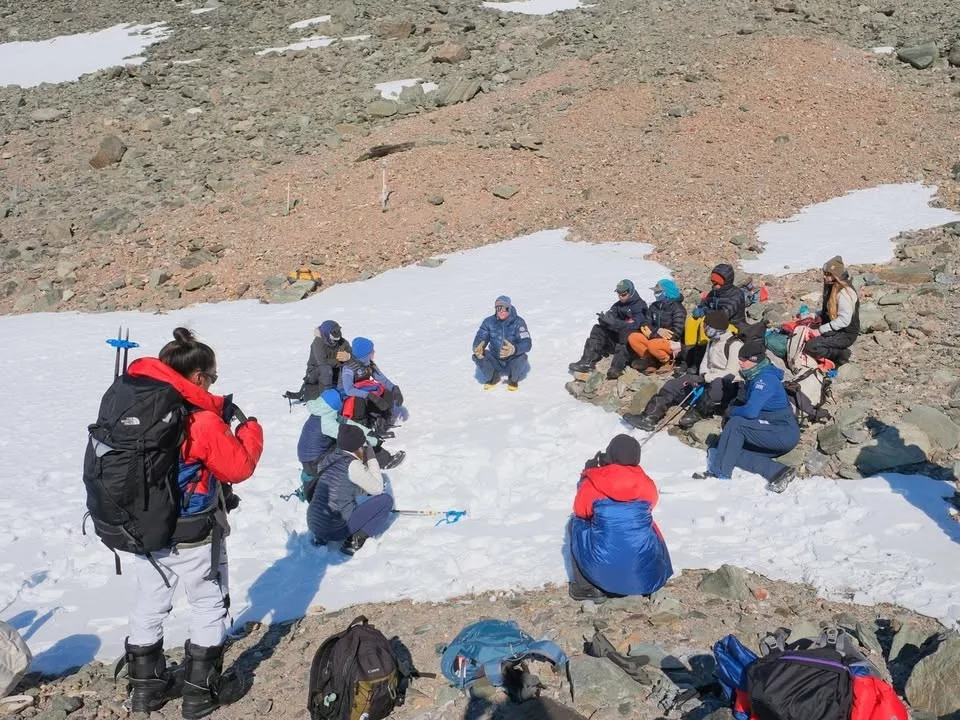
Mercuria extended its engagement in polar regions through its support of the Ice Station Antarctica expedition, a multi-stakeholder initiative led by polar explorer Robert Swan in collaboration with the Villars Institute and the 2041 Foundation. The mission brought together scientists, educators and emerging leaders for a two-week field programme at Union Glacier Camp, deep in the Antarctic interior.
Beyond scientific observation, the expedition was designed as a platform to connect research, leadership and global awareness. Participants contributed to ongoing studies on Antarctic ecosystems and climate systems, while also testing renewable energy and storage solutions in extreme conditions—demonstrating the viability of low-carbon technologies in one of the harshest environments on Earth.
A central objective of the initiative is to strengthen international commitment to preserving Antarctica as a protected natural reserve. The expedition highlighted the continent’s critical role in regulating global climate, ocean circulation and sea levels, as well as the urgency of safeguarding its future beyond 2041, when key provisions of the Antarctic Treaty may come under review.
Through live engagement with classrooms worldwide and storytelling from the field, the programme also sought to inspire the next generation of decision-makers and build broader public support for the protection of one of Earth’s last great wildernesses.
Learn more about our Ocean, Poles & Glaciers activities:
Partnerships
HUB Ocean
Mercuria and HUB Ocean have maintained a strategic partnership since 2021. Based in Oslo, Norway, HUB Ocean is a non‑profit technological foundation dedicated to unlocking and sharing ocean data.
As the first thematic centre devoted to the ocean, its Ocean Data Platform (ODP) aggregates vast, diverse datasets, creating an open‑source digital ecosystem that accelerates insight into the ocean we need—and want—to protect.
Our partnership combines Mercuria’s global maritime experience with HUB Ocean’s cutting‑edge data and technology expertise. Together, we advance innovation at the intersection of industry and science, connecting operational knowledge from the energy and shipping sectors to open research that strengthens ecosystem stewardship.
Collaborations have spanned science, technology, and advocacy—from joint participation at the Villars Institute Summit, which fosters intergenerational climate leadership, to support for projects that modernise ocean data observation.
A milestone of 2025 was the launch of Citizen Sea version 2, developed in collaboration with HUB Ocean and supported by Minerva Bunkering. This upgraded mobile application empowers anyone—seafarers, coastal residents, or ocean enthusiasts—to record and upload geotagged sightings of marine wildlife and pollution directly into the Ocean Data Platform. By transforming everyday observations into scientific data, Citizen Sea v2 amplifies global marine awareness and contributes to real‑time monitoring of ocean health.
The latest version introduces enhanced image‑recognition for wildlife and debris, offline data logging for vessels at sea, and seamless integration with HUB Ocean’s open‑data platform. Minerva Bunkering has now integrated the app fleet‑wide, enabling its crews to contribute to ocean science during daily voyages and helping close critical knowledge gaps across regions.
“We want to give them the ability to share their observations and help change the fate of the oceans. We know from our employees that there is a very strong wish to contribute to marine sustainability”
Victoria Attwood Scott / Head of Corporate Responsibility & Compliance, Mercuria
Every observation contributed via Citizen Sea expands understanding of the ocean’s condition and strengthens transparency in marine data management. Achieving ocean health is a collective effort—and through HUB Ocean, we continue to collaborate on future versions of Citizen Sea and other digital initiatives that turn curiosity and care for the ocean into informed action.
Read more about our partnership with HUB Ocean.
Reef Alert Network
In 2025, we proudly continued our partnership with Reef Alert Network (RAN), a non-profit organization dedicated to marine conservation and diver engagement in the Mediterranean Sea. Through education, hands-on restoration, and scientific collaboration, RAN empowers divers and local communities to monitor, protect, and restore fragile marine ecosystems. Our sponsorship directly supported activities that contributed significantly to the preservation of Mediterranean biodiversity and the development of a new generation of conservation‑minded divers.

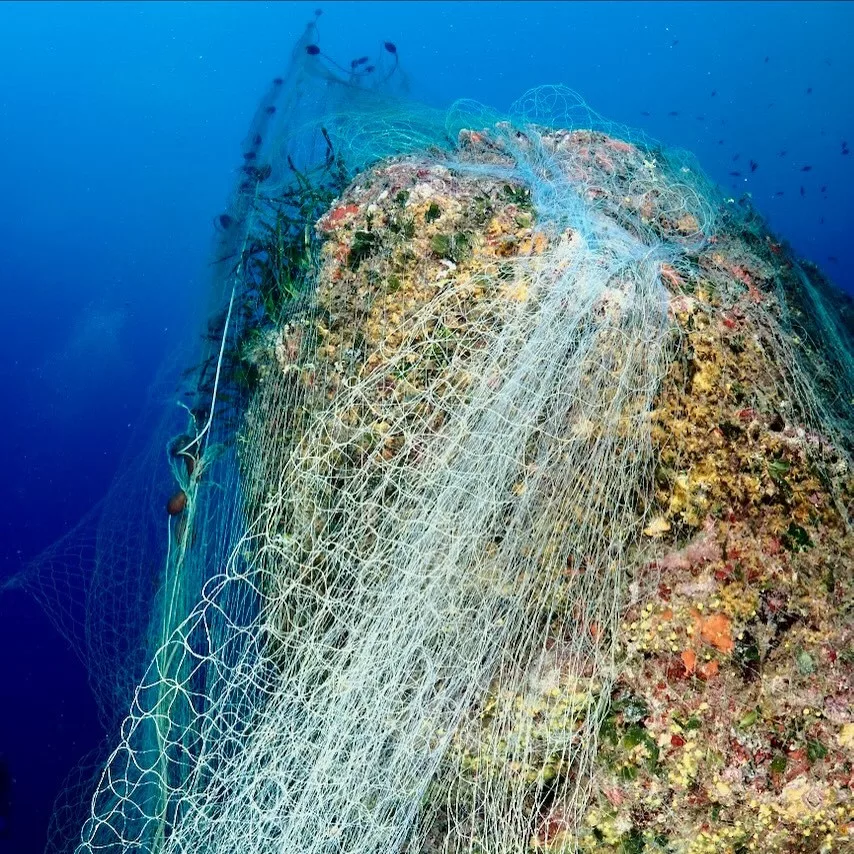
Helped by our support, RAN trained 38 conservation trainees and 30 volunteer divers, guided by a team of marine biologists and ecologists. Together, they conducted more than 250 underwater visual census surveys, monitoring over 6,500 gorgonians, created 37 photogrammetry models for scientific assessment, and transplanted 120 gorgonian colonies to aid reef recovery. Volunteers also removed 4,000 meters of lost fishing gear and recovered 10 anchors and chains, reducing physical threats to coral and sponge habitats.
We are especially proud to have helped make possible several key initiatives in 2025. These included underwater and beach cleanup actions at Santa Reef, joint surveys as part of the EcoeFISHent Project to assess and remove lost fishing gear in Punta Manara and the Portofino Marine Protected Area, and the Coral Care Project, one of RAN’s most ambitious coral restoration efforts to date. During Coral Care’s inaugural phase, volunteers and biologists installed two nursery structures in protected zones, hosting around 40 coral fragments (primarily Paramuricea clavata) for rehabilitation before their reintroduction to natural reefs.
Beyond fieldwork, RAN’s educational outreach grew stronger through conservation workshops and the “Children Involvement Event,” which introduced young participants to snorkeling and marine discovery, nurturing future ocean stewards.
Through our partnership, we help Reef Alert Network equip and expand its community of divers, scientists, and citizens committed to preserving underwater ecosystems. To explore more of their conservation work and see these projects come to life, visit Reef Alert Network’s YouTube channel.
Project EcoeFISHent
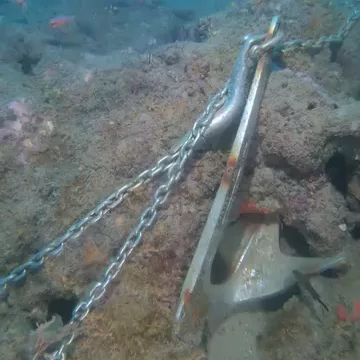
Lost Anchors Recovery
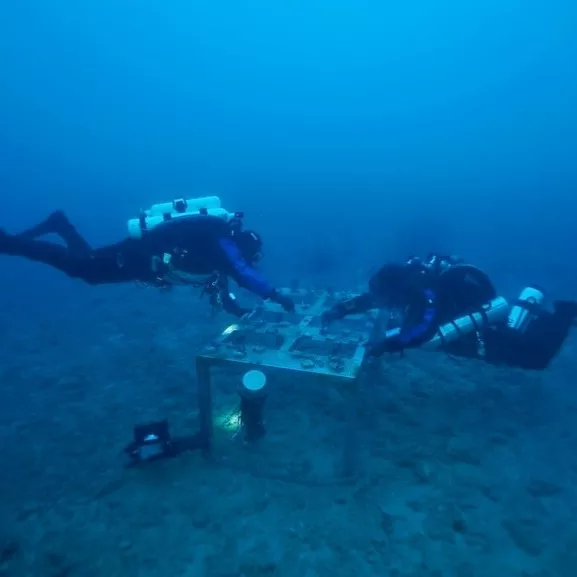
Coral Care Project
Conservation International
In 2025, we established a collaboration with Conservation International through Silvania, Mercuria’s nature and biodiversity platform. This partnership combined financial expertise and conservation science to support the protection and restoration of critical ecosystems, particularly tropical forests, while advancing scalable nature-based solutions to address climate change and biodiversity loss.
Together, we supported the development of jurisdictional forest conservation programmes designed to reduce deforestation, safeguard biodiversity, and promote sustainable land use at scale. Working closely with governments, Indigenous peoples, and local communities, these initiatives were underpinned by strong governance frameworks and transparent monitoring systems, ensuring credible, measurable, and lasting impact.

A key focus of the collaboration was the advancement of high-integrity carbon markets. Through the structuring and financing of jurisdictional REDD+ initiatives, we helped enable the generation of high-quality carbon credits while protecting ecosystems across large landscapes. These efforts contributed to building a robust pipeline of nature-based solutions, allowing companies to invest with greater confidence in projects delivering real climate and biodiversity outcomes.
The partnership also emphasised equitable benefit sharing and local capacity building. By supporting mechanisms that directed revenues toward local communities and Indigenous groups, these programmes helped create sustainable livelihoods, strengthen local engagement, and reinforce long-term stewardship of forest ecosystems.
Continue reading