Partner Profile
Entreprise Générale du Cobalt
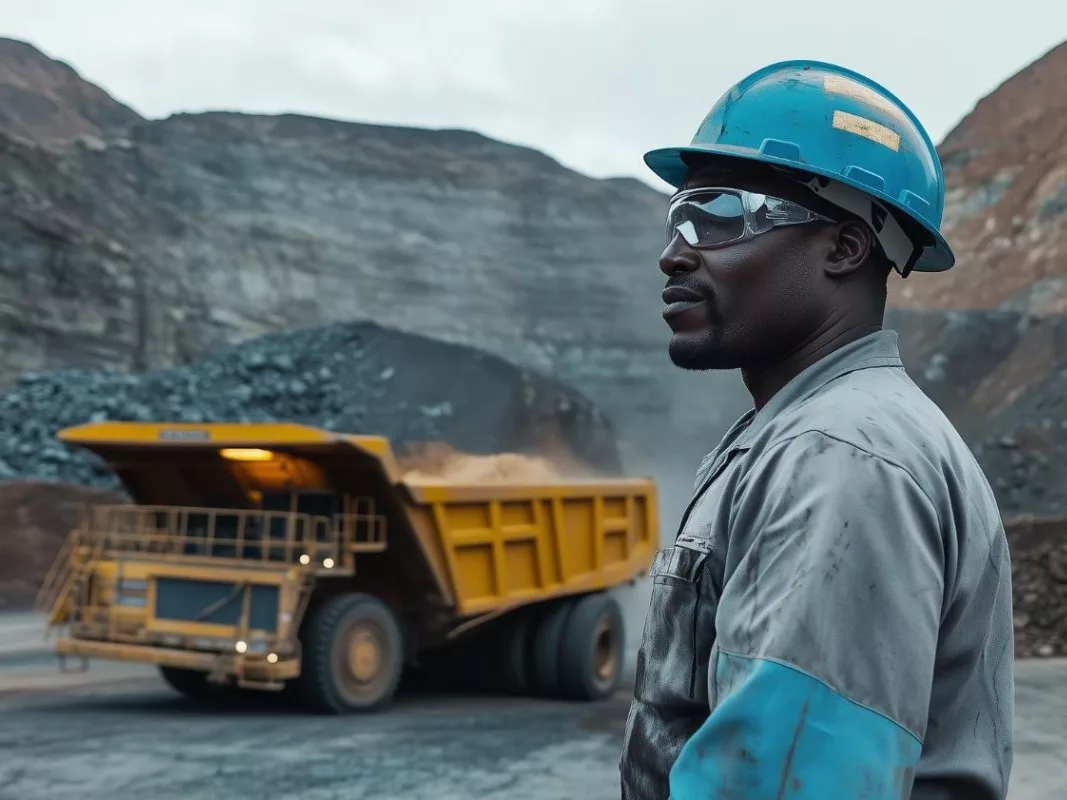
Entreprise Générale du Cobalt (EGC) is a state-owned Congolese mining company, subsidiary of Gecamines. It acts as a monopoly over the purchase and marketing of artisanally-mined cobalt in the Democratic Republic of the Congo (DRC).
Location
DRC
Category
Cobalt
According to the World Bank, the Democratic Republic of the Congo (DRC) produces over 70% of the world’s cobalt. Artisanal and small-scale mining (ASM) is estimated to contribute between 10% and 30% of the country’s total cobalt output. Estimates show that the sector directly employs up to 2 million people and supports more than 8 million indirectly. However, many of those involved in ASM continue to face poor living and working conditions.
EGC is a state-owned enterprise established by the Government of the DRC, holding a monopoly over all artisanally mined cobalt in the country. Its responsible sourcing model is designed to improve conditions for artisanal miners through fairer and more responsible sourcing practices.
The establishment of EGC reflects both growing international demand for responsibly sourced cobalt and the DRC government’s objective of regulating artisanal mining output. In doing so, it also seeks to enhance transparency regarding the origin of artisanally mined cobalt.
How is responsible sourcing going to help the artisanal mining sector?
Artisanal and small-scale miners (ASM) often operate under extremely challenging financial and operational conditions. One of the contributors to these conditions is their limited access to capital, as they are alienated from larger formal markets, which forces many to sell to local traders who may offer low or unfavorable prices. At the same time, major buyers often avoid sourcing from ASM because of the perceived reputational concerns, weak traceability, and exposure to supply chains associated with heightened human rights and environmental risks.
However, this dynamic can change. If responsible sourcing measures are put in place and large buyers are willing to engage with ASM through traceable systems, legal sourcing channels, and fairer purchasing practices, this could significantly improve miners’ incomes and operating standards. In the DRC, such an approach could be transformative by creating more direct economic benefits for mining communities and helping reduce poverty.
Access to fair prices, combined with proper training and capacity building, can enable ASM miners to invest in safer and more responsible operating practices. Over time, this can help them finance and sustain higher standards independently.
What role do partnerships play in strengthening artisanal and small-scale mining?
In the DRC, ASM miners are organized into cooperatives. These cooperatives play an important role in supporting their members, while leaders are expected to represent and protect the miners’ interests. Through its monopoly purchasing model, EGC can help strengthen transparency regarding both the cooperatives involved and the mine sites from which the ore originates. However, additional partners are needed to make the system work effectively across the full supply chain.
The government is a key actor in this context. In the DRC, measures such as the recent cobalt export ban and the subsequent export quota system have reinforced regulatory oversight and brought greater transparency to production and trade flows.
Local communities are key stakeholders in ASM operations. Given that many miners originate from the communities surrounding mine sites, the relationship between mining activities and local community dynamics is especially important. Community perspectives, grievances, and expectations can strongly influence operational conditions and can act as powerful drivers for improved practices at mine level.
Processing facilities are essential because the ore must be processed before it can be sold. Close coordination with these facilities is necessary to ensure traceability is maintained and that material is not unaccounted for after leaving the mine site. Buyers are also critical. Those willing to source from ASM cooperatives can help build trust and create incentives for change. Buyers that are able to provide pre-financing can also supply the capital needed to transform ASM operations into safer and more responsible ones, aligned with international standards.
Researchers have an important role to play by contributing scientific analysis, technical expertise, and evidence-based recommendations. Local NGOs are also essential, as they can help identify practical and socially responsible solutions to complex challenges. For example, instead of simply excluding individuals from mine sites where operations may be unsuitable, and in doing so shifting the problem elsewhere, NGOs can help develop alternative approaches that protect their wellbeing and livelihoods.
Collaboration among all partners and stakeholders is critical to achieving meaningful change. It helps ensure that solutions are holistic and sustainable, rather than simply removing problems from mine sites and shifting them elsewhere.
What are some important aspects to consider in artisanal mining formalization?
There are several important elements required to make the project a success. One of the first is to establish a baseline assessment and define a set of key performance indicators (KPIs) that can be tracked over time. The formalization project should lead to measurable improvements against these indicators. However, because record-keeping is currently limited, some KPIs, such as the number of accidents, may initially appear to worsen as reporting becomes more accurate and systematic.
Over time, the formalization project is expected to improve performance by making mining practices safer and more responsible. This can be achieved through measures such as the provision of personal protective equipment (PPE), appropriate training, the transition to safer operating practices, and other operational improvements. Continuous monitoring, alongside effective grievance collection and remediation systems, will also be essential. Standards should progressively improve in order to align with international expectations, recognizing that meaningful change must happen step by step.
Independent audits should also be built into the process to provide an external perspective on progress and challenges. Finally, the project should include a responsible exit strategy to ensure that cooperatives are adequately equipped to continue responsible sourcing practices and self-finance their maintenance over the long term.

What is the shared vision and objectives out of Mercuria and EGC’s partnership?
Mercuria and EGC share the vision of creating a premium “Gold Standard” for responsible ASM, serving as a global benchmark for transparent, sustainable, and ethical cobalt production. The partnership aims to work with local cooperatives to strengthen health and safety, human rights, environmental practices, and end-to-end traceability in line with international standards. Through capacity building, community engagement, and responsible sourcing, the initiative seeks to create a transparent and sustainable cobalt value chain that supports both local development and the growing global demand for ethically sourced materials.

2025 PARTNER PROFILES
Entreprise Générale du Cobalt
Exergyn