

Planet
Safeguarding Antarctica Beyond 2041
“The decisions we make today will determine what Antarctica looks like in 2041.”
INTRODUCTION
Antarctica is far more than a remote wilderness. It is one of Earth’s most important climate regulators, storing around 70% of the world’s freshwater and influencing ocean circulation, sea levels and weather systems across every continent.
At the end of 2025, through Ice Station Antarctica, Mercuria supported a global mission to deepen understanding of this fragile continent and inspire action to protect it for future generations. Led by polar explorer Robert Swan and brought together by the 2041 Foundation, the Villars Institute, Mercuria and Silvania, the expedition combined science, education, renewable energy demonstration and storytelling from one of the most extreme environments on Earth.
WHY ANTARCTICA MATTERS
The Antarctic continent and the Southern Ocean form one of the planet’s most powerful natural systems. Antarctica’s ice sheets help regulate sea levels, its reflective surface helps cool the planet, and the surrounding Southern Ocean plays a critical role in global climate and ocean circulation.
Despite its isolation, Antarctica is deeply connected to life everywhere. Changes to its ice, ocean temperatures and ecosystems can influence weather, biodiversity, food systems and coastal communities far beyond the polar regions.
Its marine ecosystems are also remarkably rich, supporting plankton, krill, seabirds, seals and whales within one of the world’s most important ocean food webs. Protecting Antarctica is therefore not only about preserving wilderness. It is about helping maintain planetary balance.
Why 2041 matters
The 1991 Protocol on Environmental Protection, also known as the Madrid Protocol, strengthened these protections by designating Antarctica as a natural reserve devoted to peace and science. The year 2041 has become a powerful symbol because it marks the point at which these environmental protections may come under renewed attention and potential review.
Robert Swan’s 2041 mission is built around ensuring that Antarctica remains protected beyond that date. Ice Station Antarctica continues this legacy by engaging new generations of leaders, educators, scientists and citizens in understanding why the continent matters and why its protection must endure.

The Ice Station Expedition
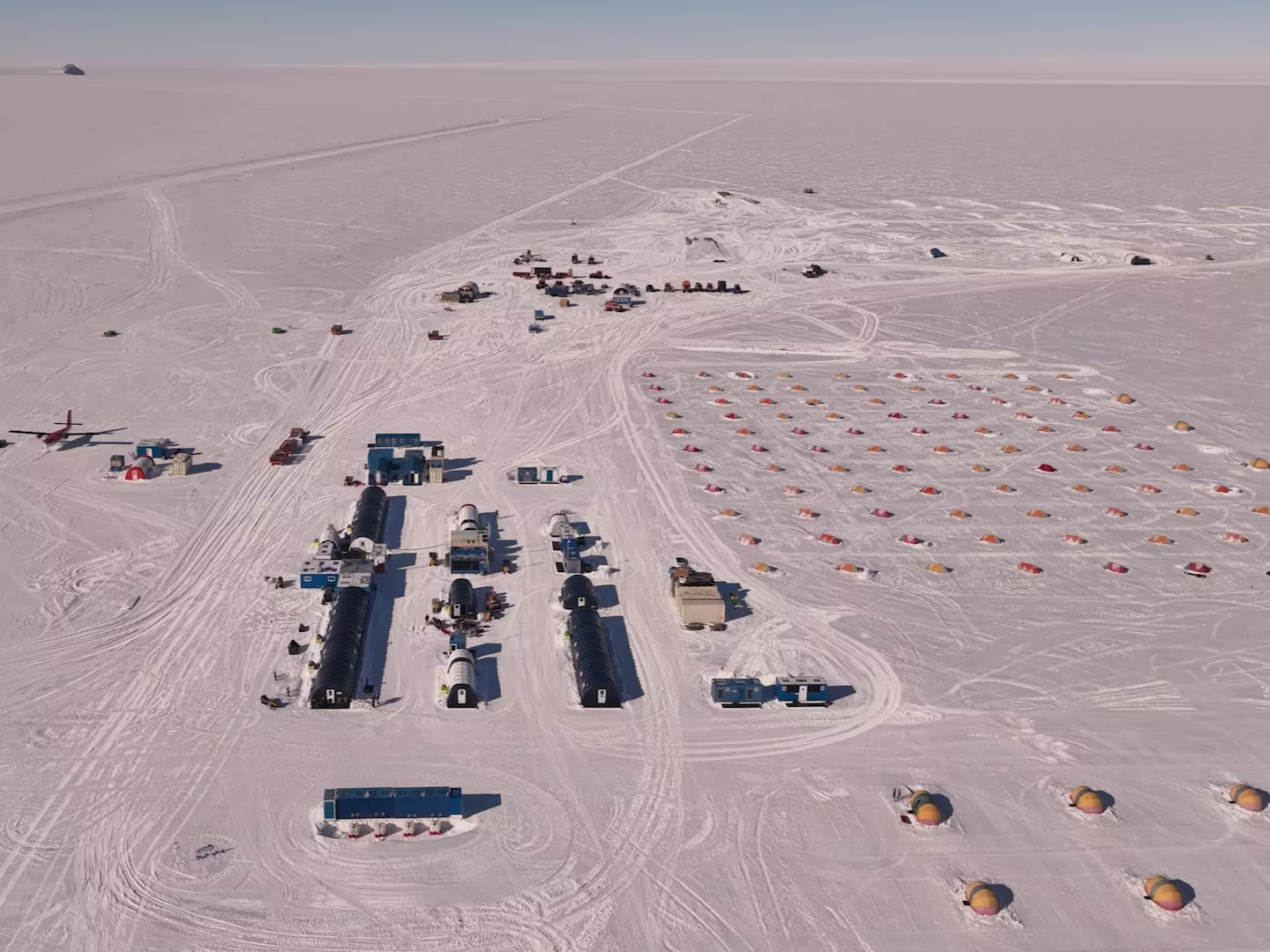
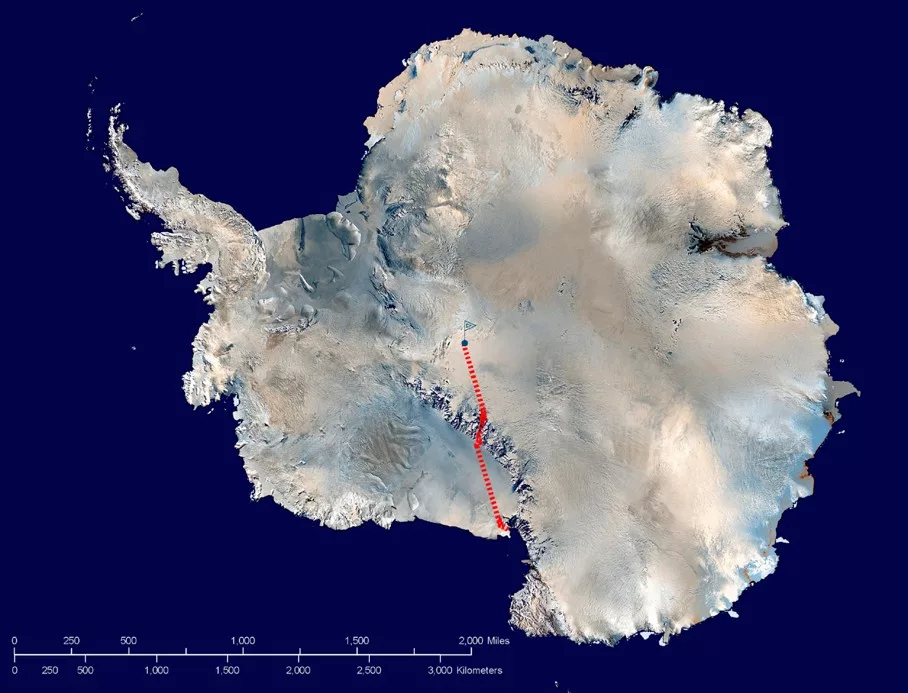
The Ice Station Expedition brought together participants to Union Glacier Camp, deep within Antarctica, for a two-week journey focused on learning, collaboration and action.
The expedition was led by Robert Swan, the first person to walk to both the North and South Poles, whose life’s work has focused on protecting Antarctica and inspiring leadership for a more sustainable future.
The programme brought together young leaders, educators, scientists and partners to experience Antarctica first-hand and share its story with audiences around the world. It was not simply an expedition. It’s a platform for education, awareness and practical demonstration.
The mission included:
- Live connections with classrooms around the world, helping students understand Antarctica’s role in Earth’s systems
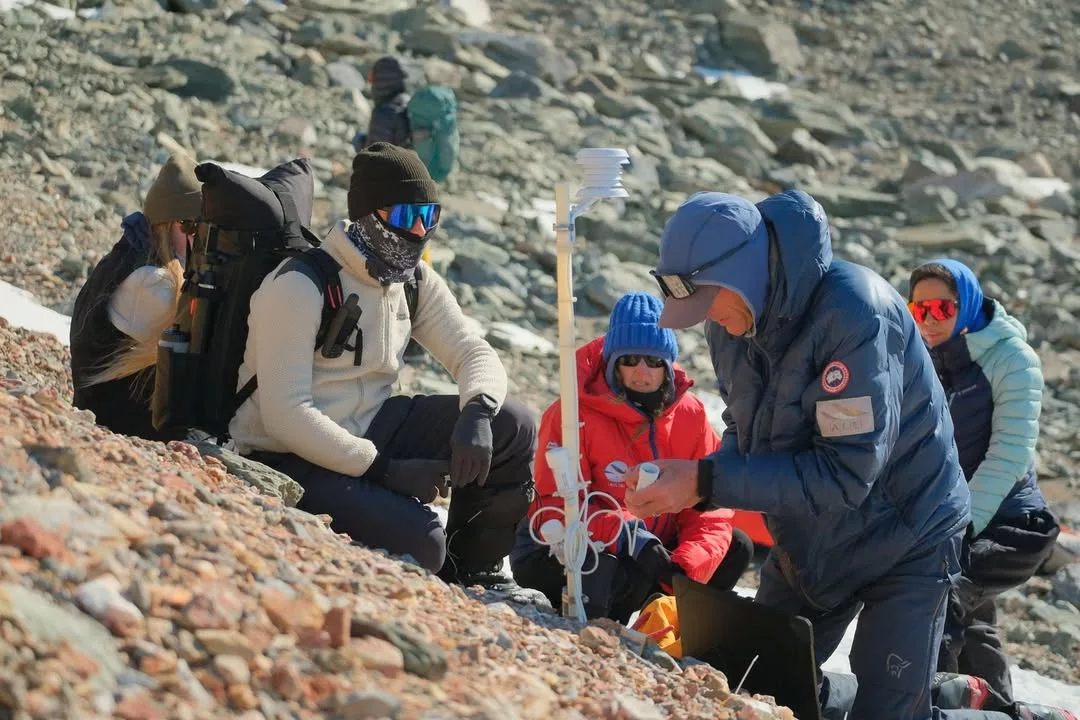
- Scientific collaboration and field activities that contribute to broader understanding of Antarctic ecosystems and climate
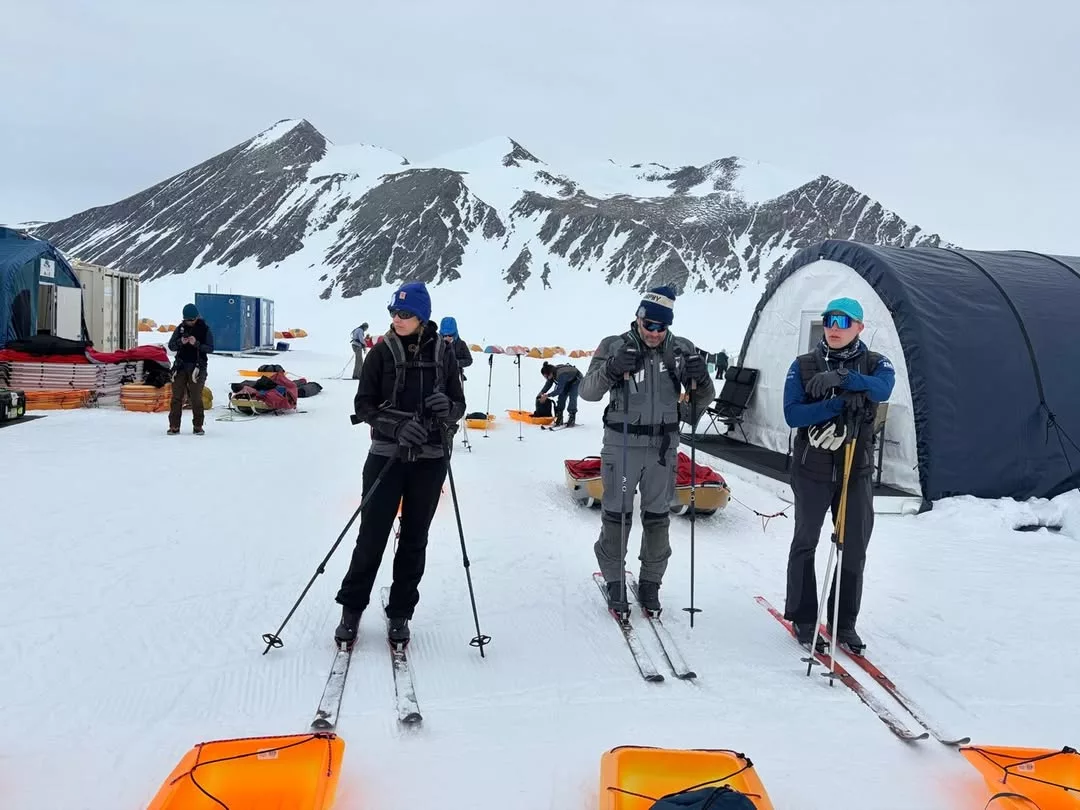
- Testing renewable energy and storage systems in extreme conditions
- Storytelling through photography, video and reflections from the ice
- Building public awareness and support for protecting Antarctica beyond 2041
Science, energy and education in the field
Antarctica provides one of the clearest windows into planetary change. Ice, atmosphere and ocean systems interact there in ways that shape global climate, making it a critical place for scientific observation and learning.
Ice Station Antarctica supported scientific collaboration by enabling participants to engage directly with Antarctic research and environmental monitoring. Field activities help deepen understanding of how Antarctic systems are changing and why this matters for the rest of the world.
The expedition also demonstrated how renewable energy technologies can be used in extreme conditions. By testing clean energy and storage systems in Antarctica, the programme reinforced a practical message: even in the most remote environments, innovation can reduce reliance on fossil fuels and support more sustainable operations.
Education is equally central. Through live classroom links and digital storytelling, the expedition connected students and citizens to Antarctica in real time, transforming a distant continent into something immediate, understandable and relevant.

Mercuria’s role
Our role is to support collaboration between science, education, business and future leaders. Through our partnership with the Villars Institute, the 2041 Foundation and Robert Swan, we help amplify the mission to protect Antarctica and connect it to broader conversations on climate, energy, nature and global responsibility.
This work complements our Arctic partnerships, including the Ocean Science Expedition and the Forel Research Platform, by extending our polar engagement across both hemispheres.
Building planetary stewards
Protecting Antarctica requires more than scientific data alone. It requires people who understand the stakes and are prepared to act.
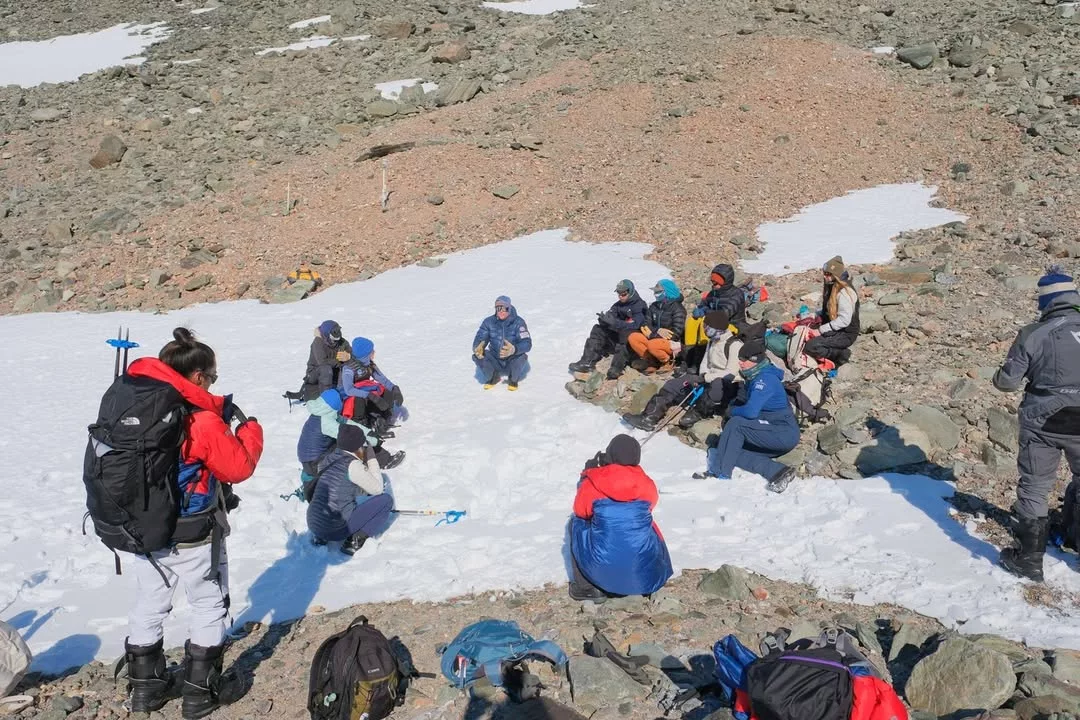
Ice Station Antarctica helped to bring together participants from different disciplines and generations, including young leaders and educators, to build awareness, leadership and shared responsibility. By experiencing Antarctica directly and communicating its importance to others, participants became ambassadors for one of the world’s most important natural systems.
This reflects a central principle of Mercuria’s Oceans, Poles & Glaciers programme: science, technology and storytelling are most powerful when they lead to collaboration and action.
Continue the journey
The Ice Station Antarctica expedition is only one chapter in a much longer mission to safeguard Antarctica beyond 2041. The knowledge, partnerships and conversations it generated continue. Its legacy lives on through ongoing scientific collaboration, educational initiatives and global engagement, helping to inspire greater understanding of Antarctica’s importance and the need to protect it for future generations.
You can continue following the journey through Robert Swan, the 2041 Foundation and the Villars Institute, where new expeditions, educational resources, scientific updates and opportunities to engage with Antarctica are shared throughout the year.
Whether through classroom resources, films, talks, podcasts or social media, these initiatives help connect people around the world with one of Earth’s most important natural systems and inspire the next generation of polar stewards.
We encourage you to explore these resources, share the story of Antarctica and follow the continuing mission to protect the world’s last great wilderness.
Useful links
- FOLLOW Robert Swan’s Instagram
- VISIT the 2041 Foundation website
- SIGN the Protection of Antarctica petition
- SHARE the 2041 educational resources
Continue reading